
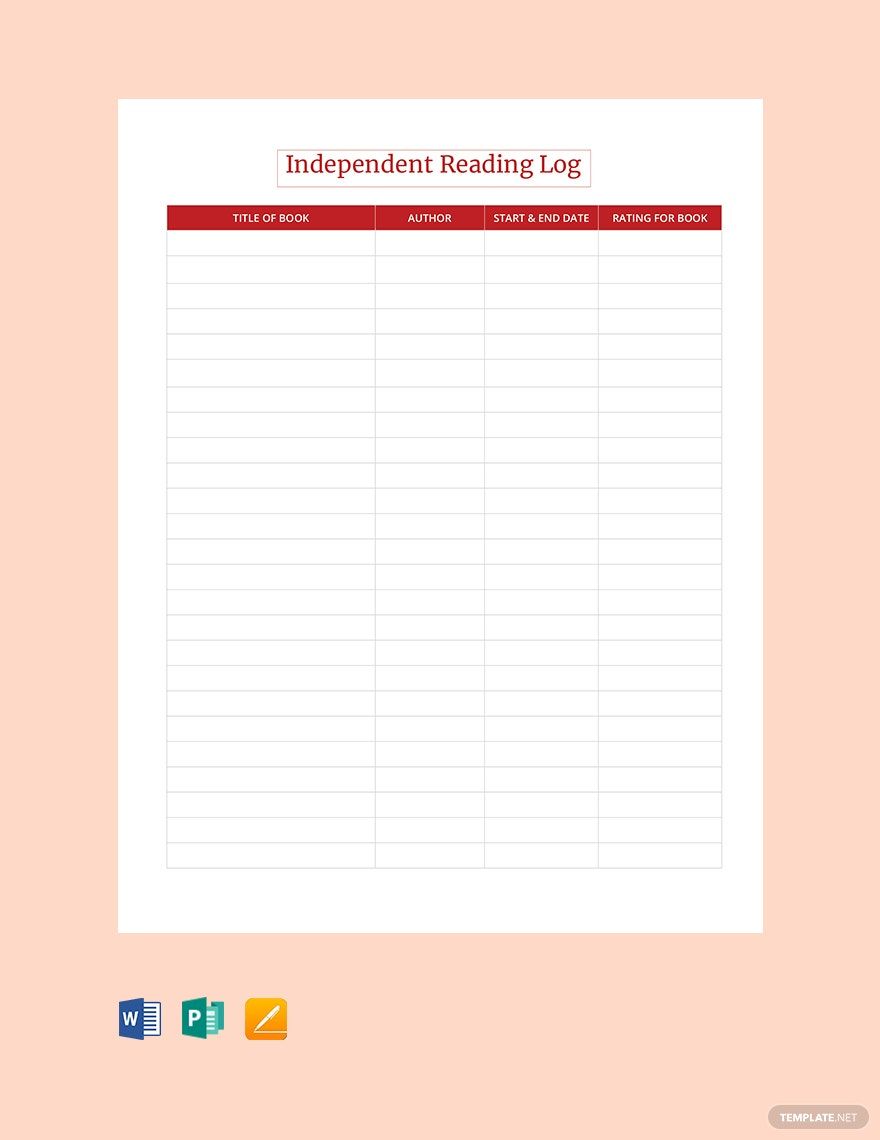
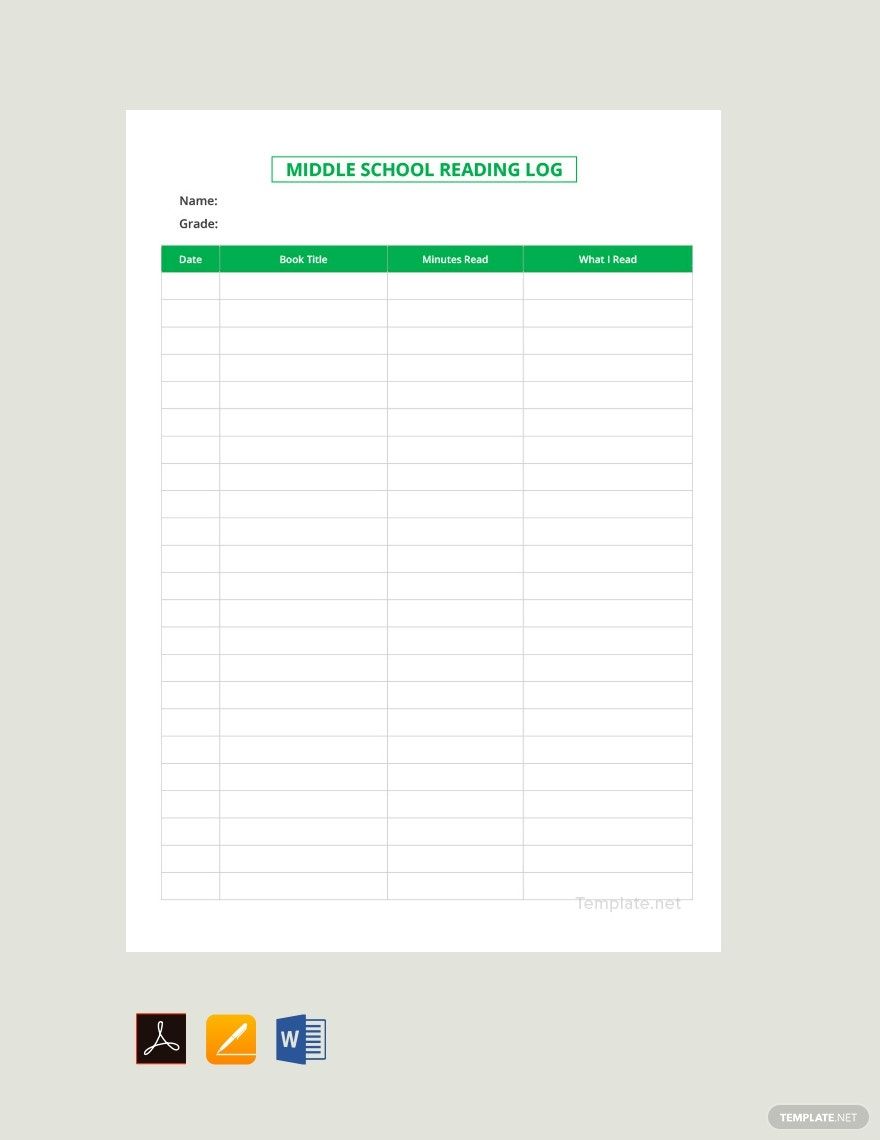
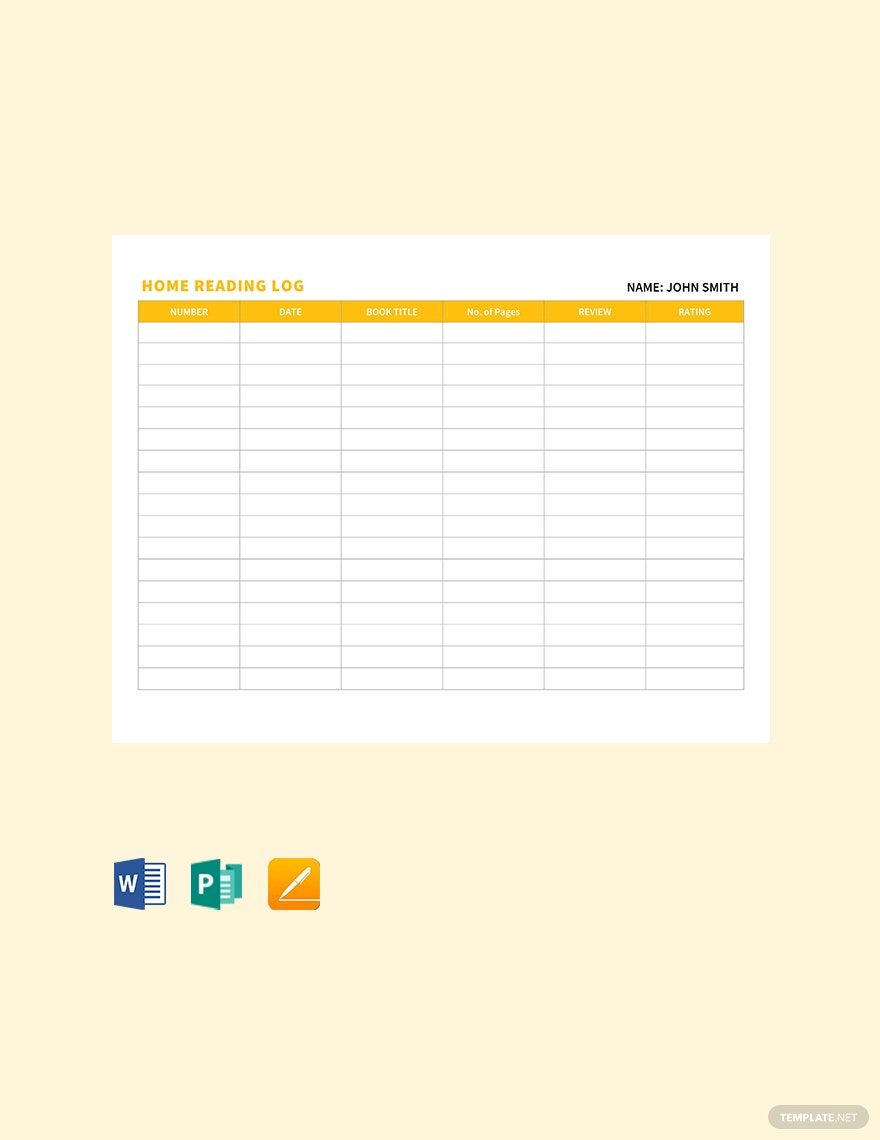
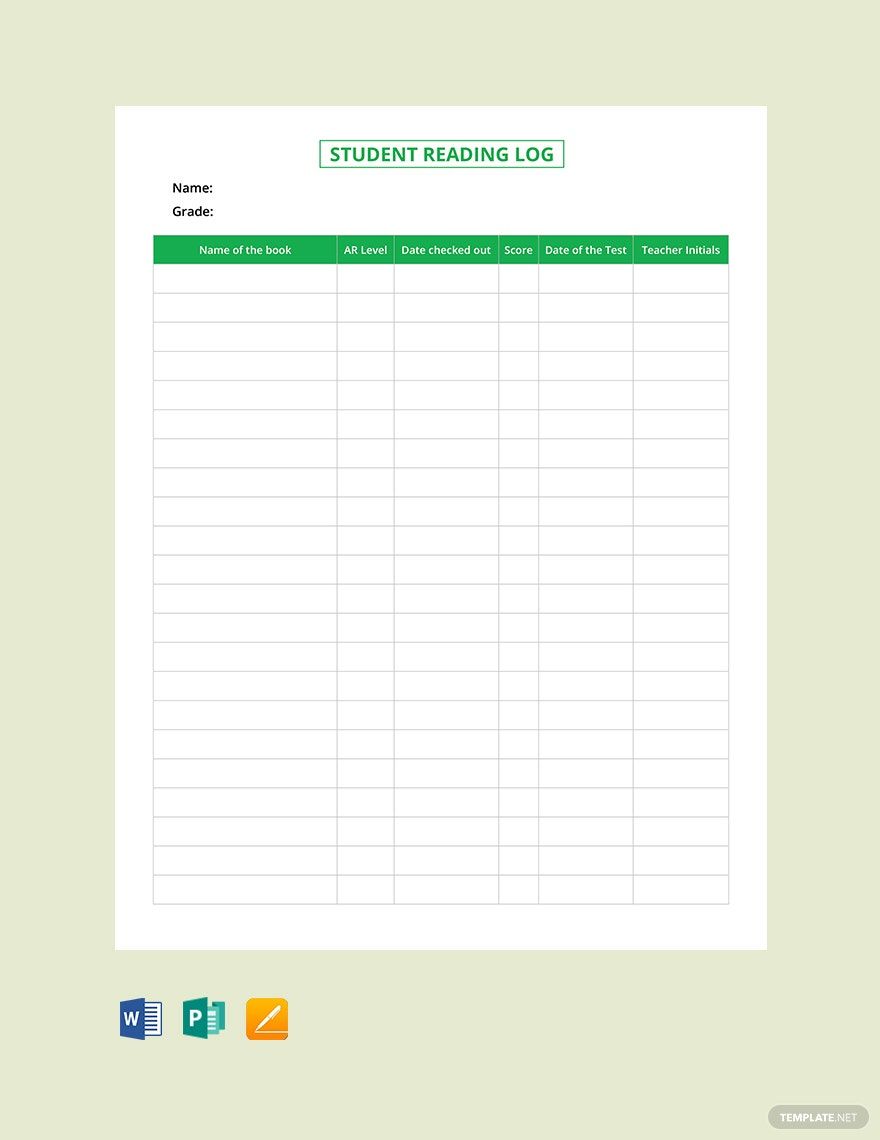
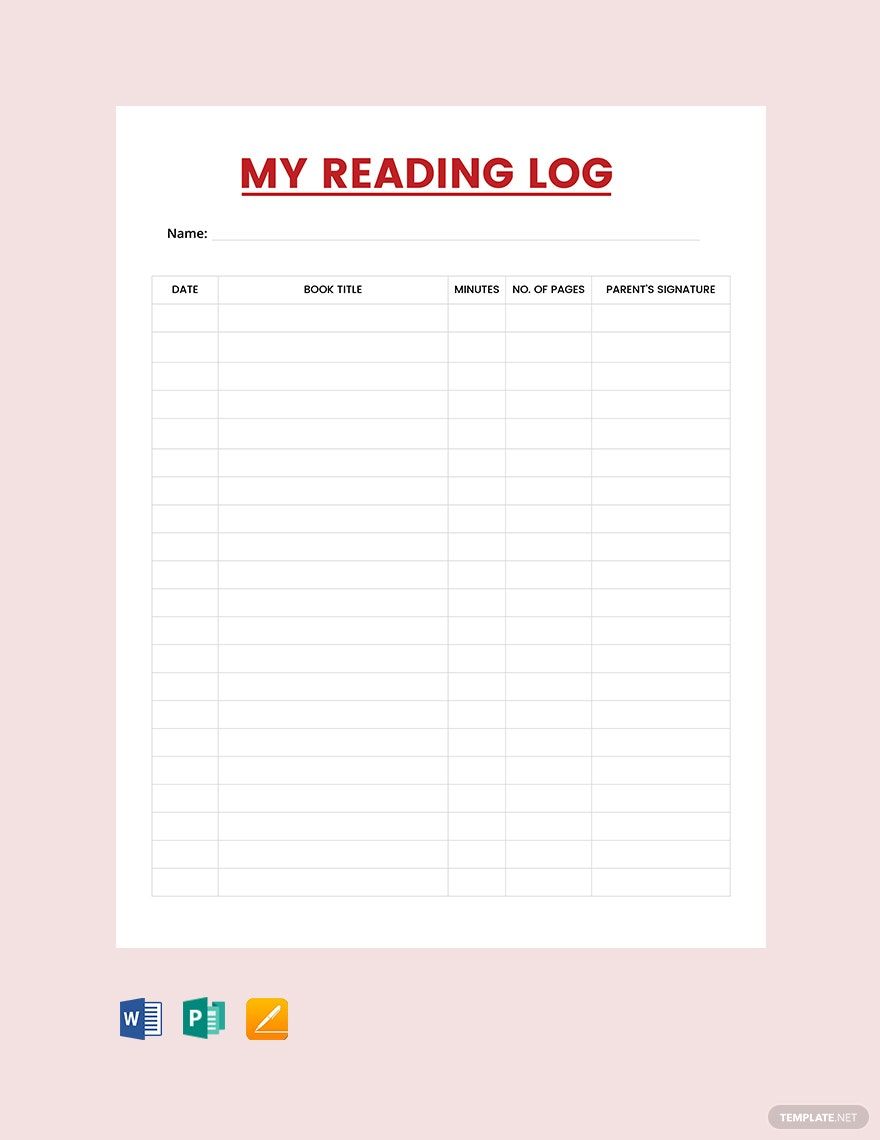
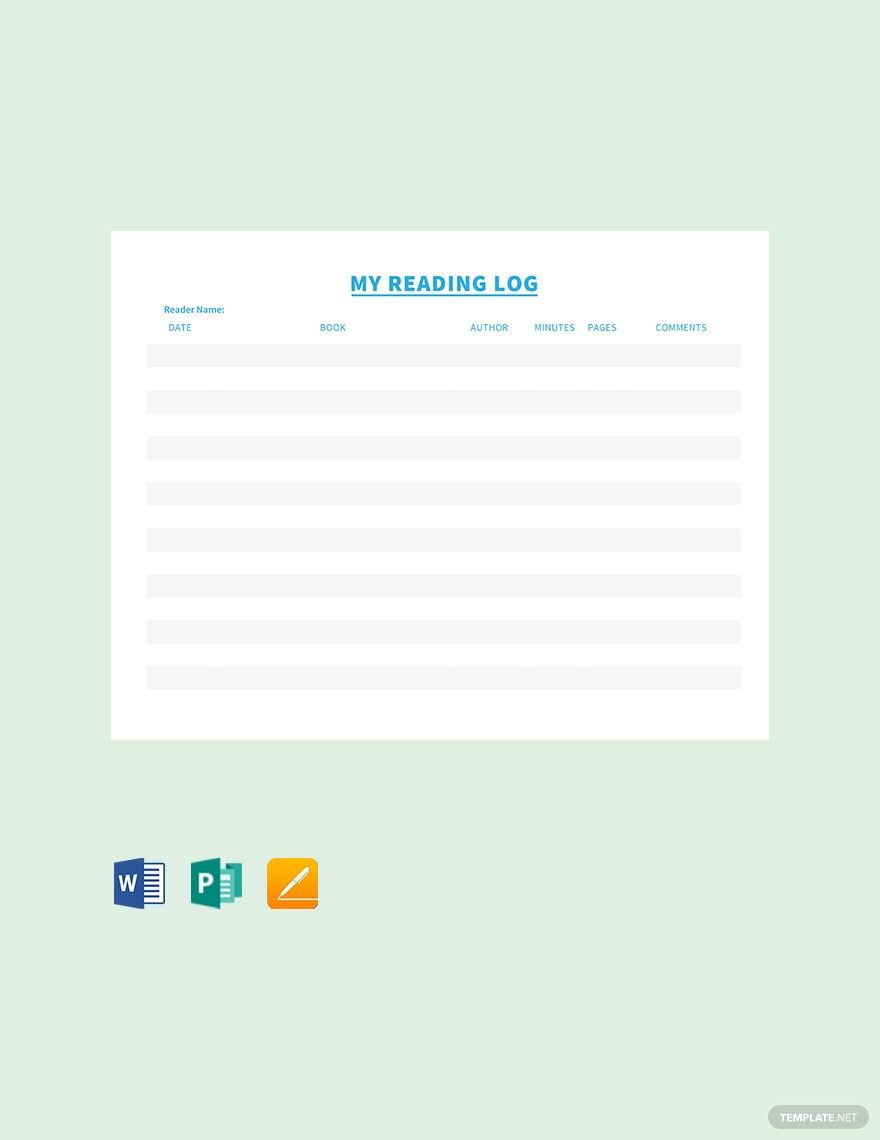
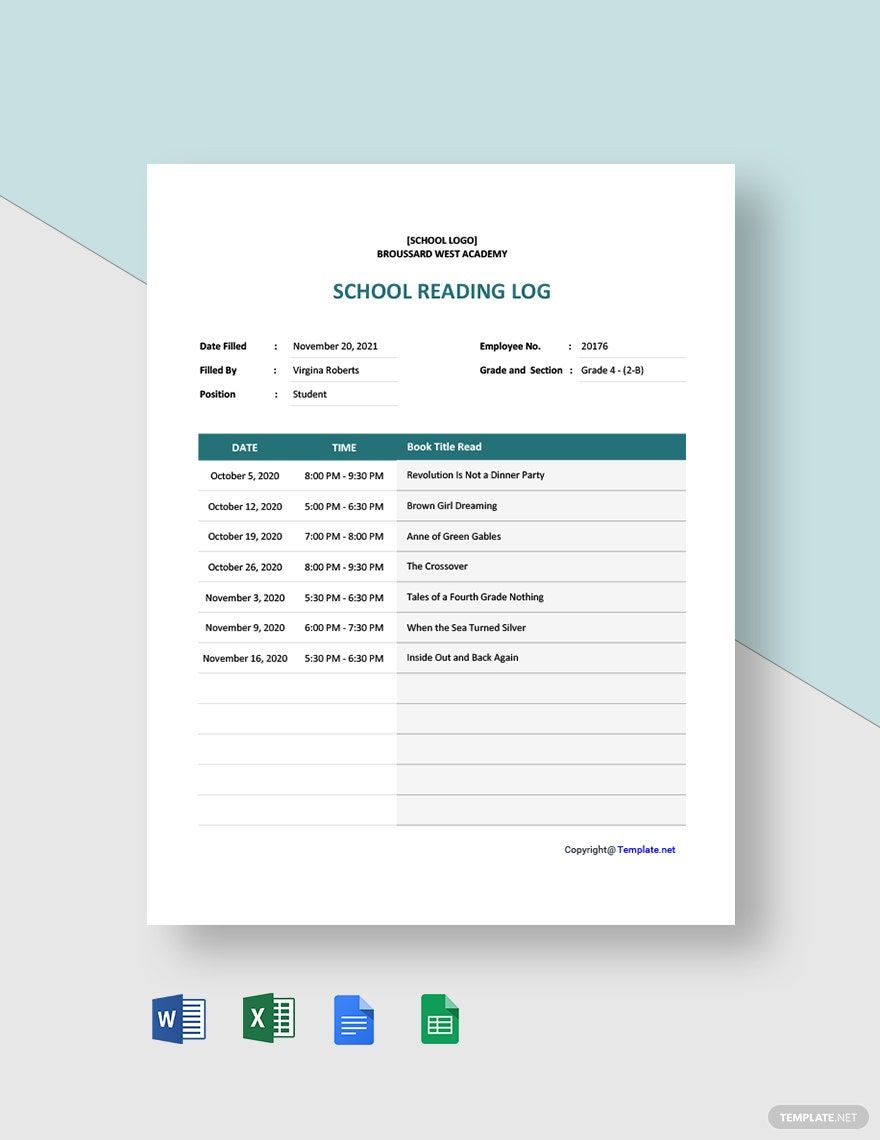
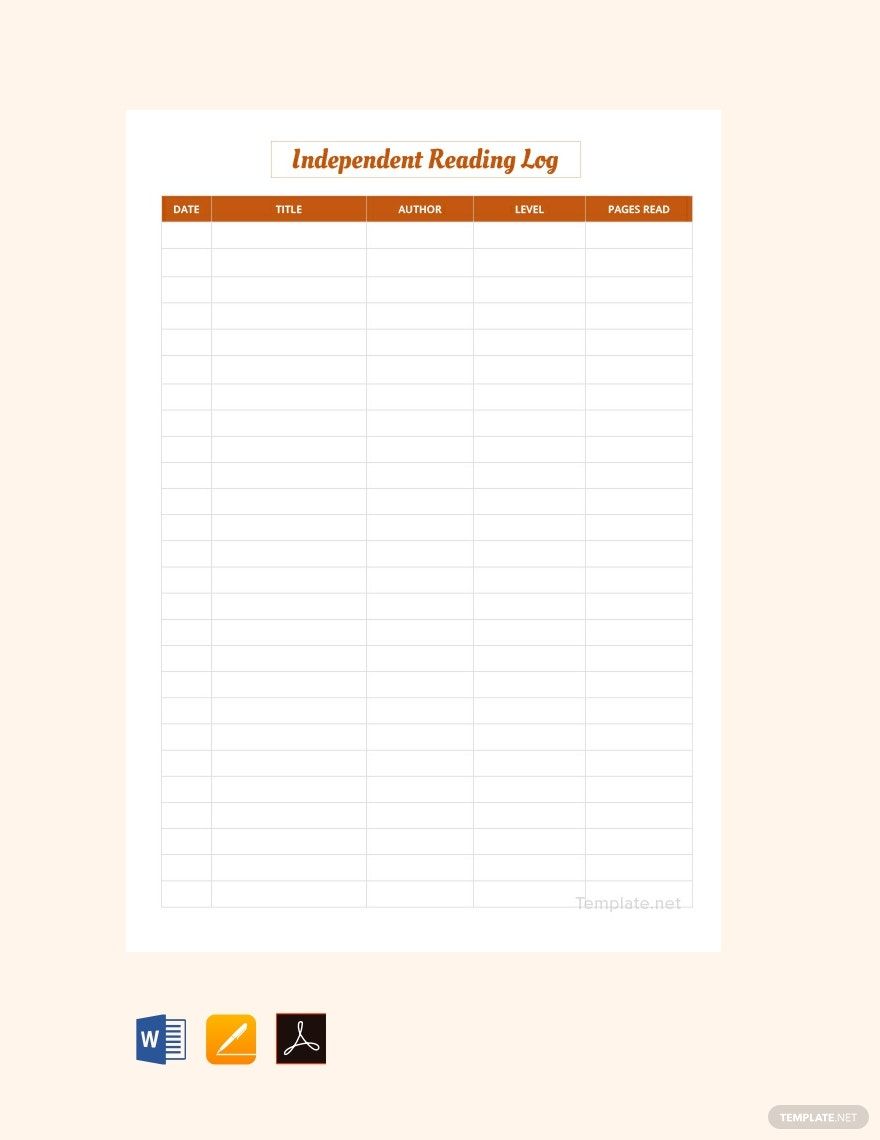
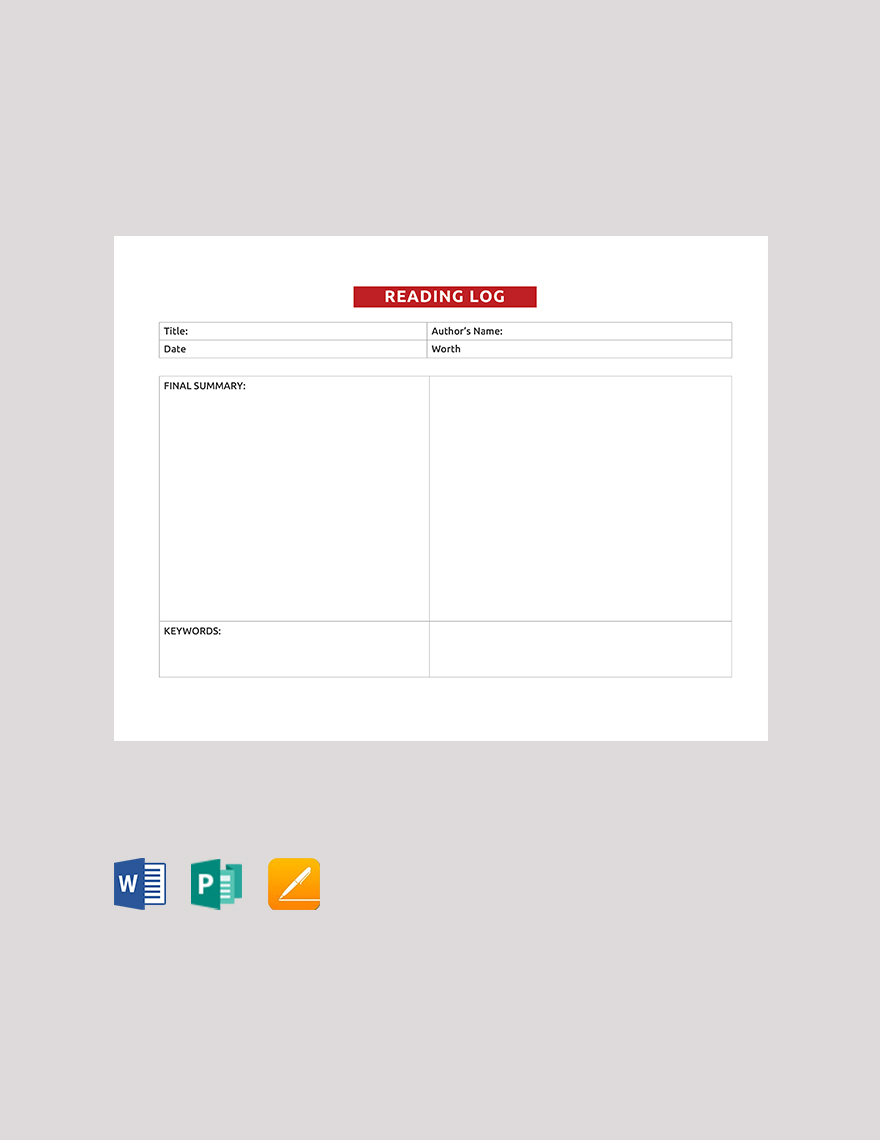
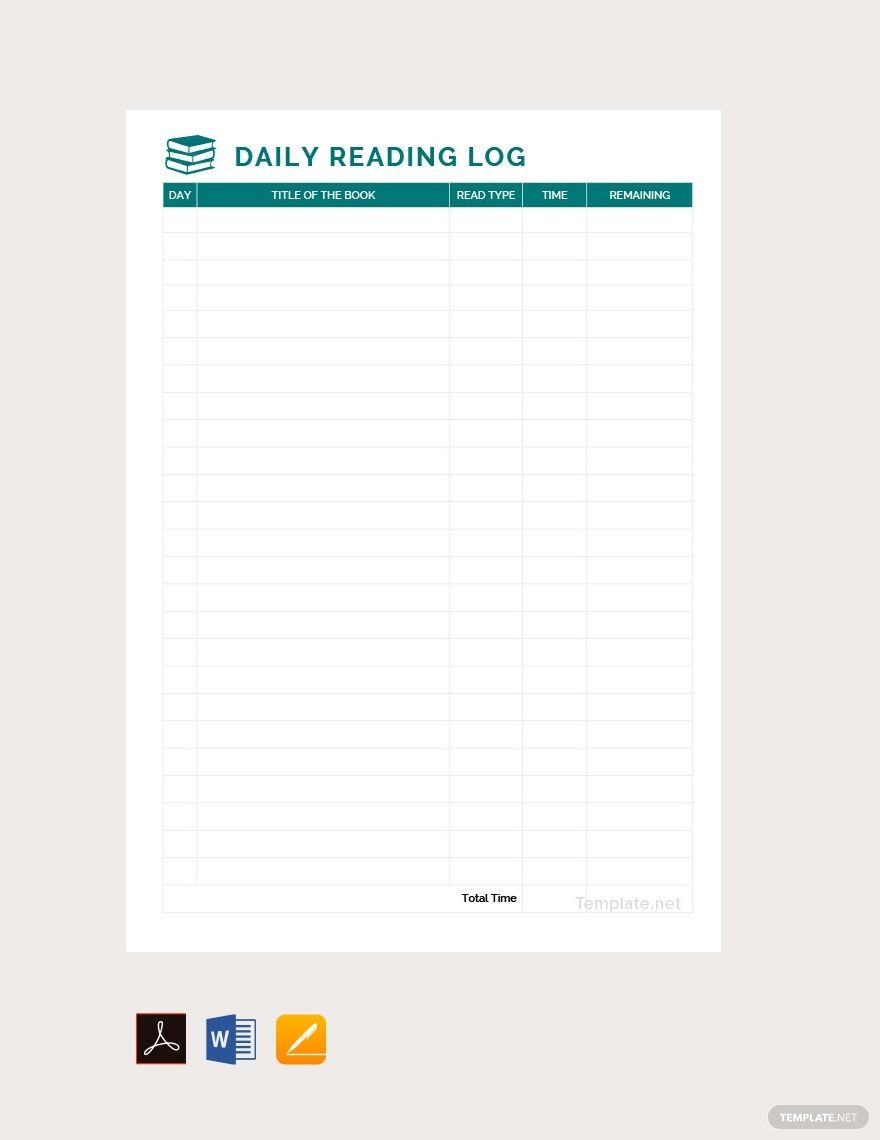

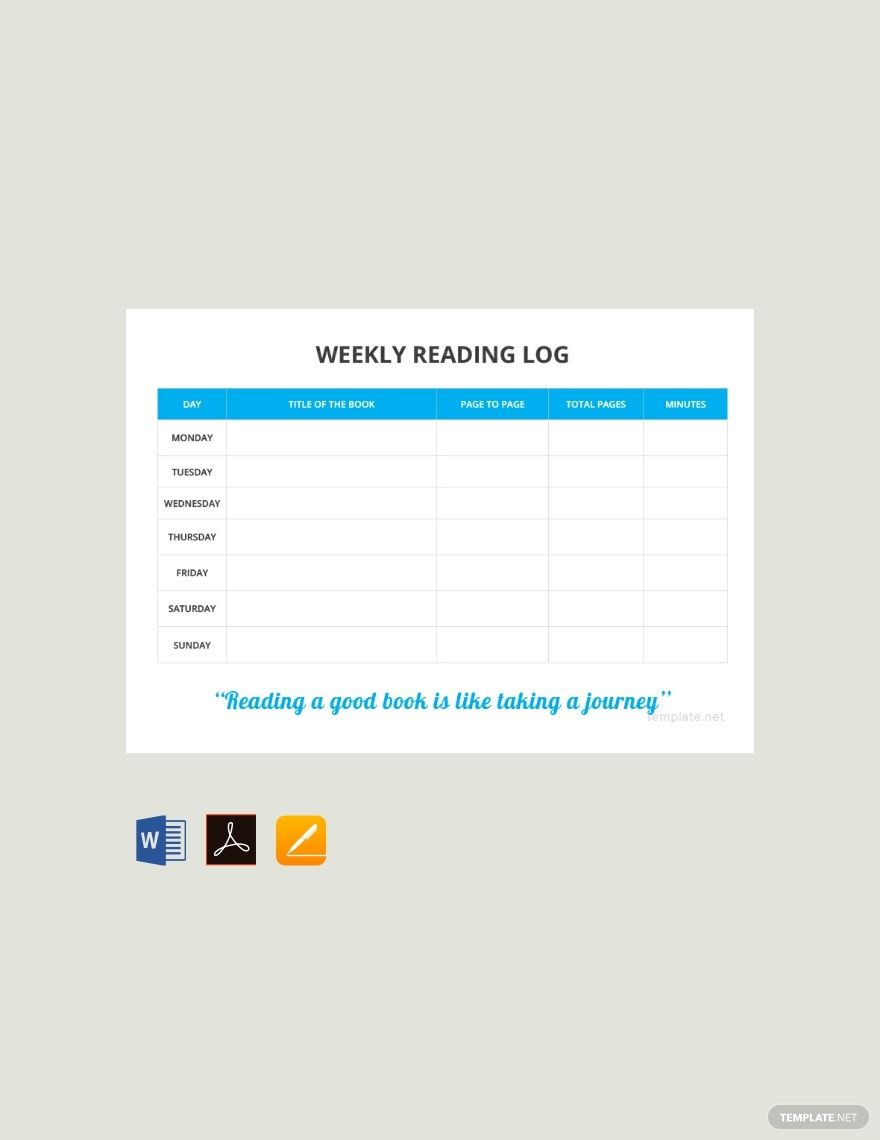
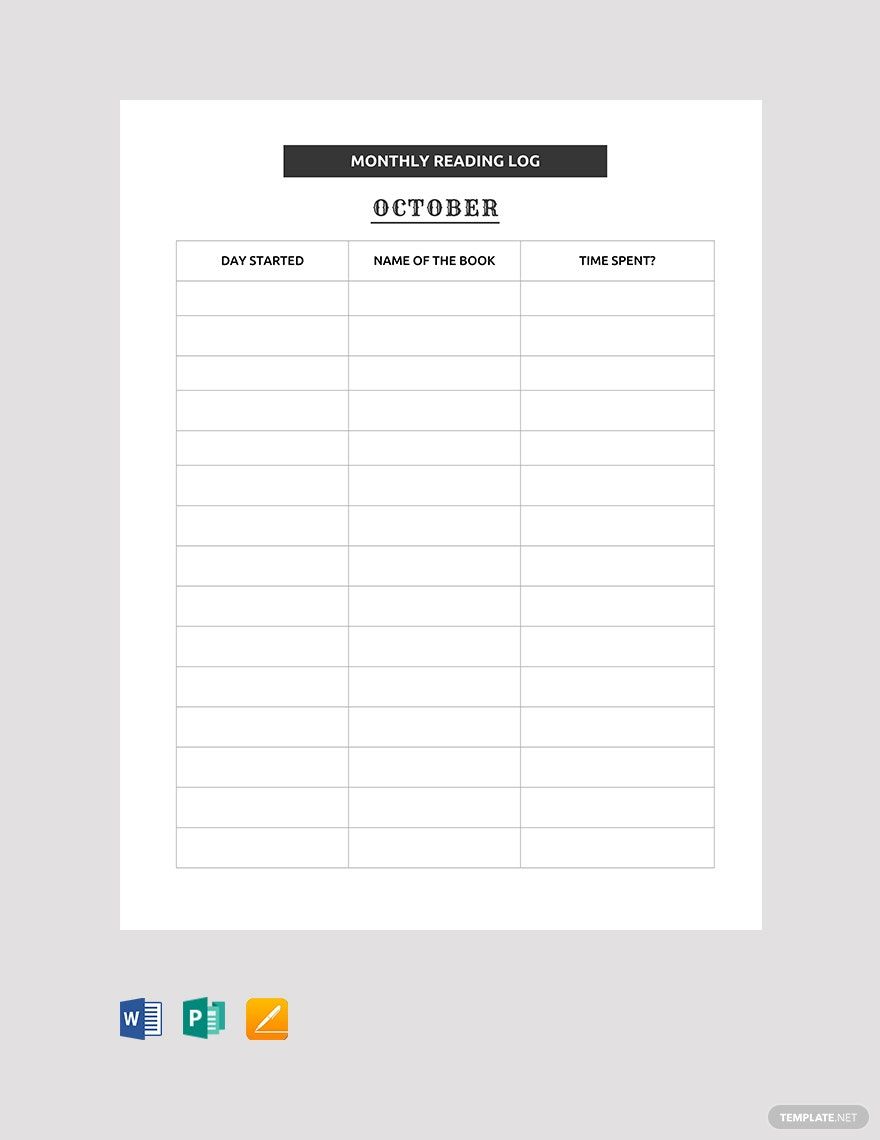
Keeping track of your reading activities from time to time is crucial for students, teachers, researchers, and hobbyists. Plus, getting lost with all of your reading tasks is ineffective and time-consuming. Thus, a neat and well-crafted reading log is what you need to get the job done. Whether it is for you daily, weekly, or monthly records, we have those templates for you. These ready-made templates come with preset categories (usually in table form) such as time, title, and details about the book you have read. Plus, these templates are easy to download for your convenience. Also, they are customizable for your additional personal touches. Avail our reading log templates now!
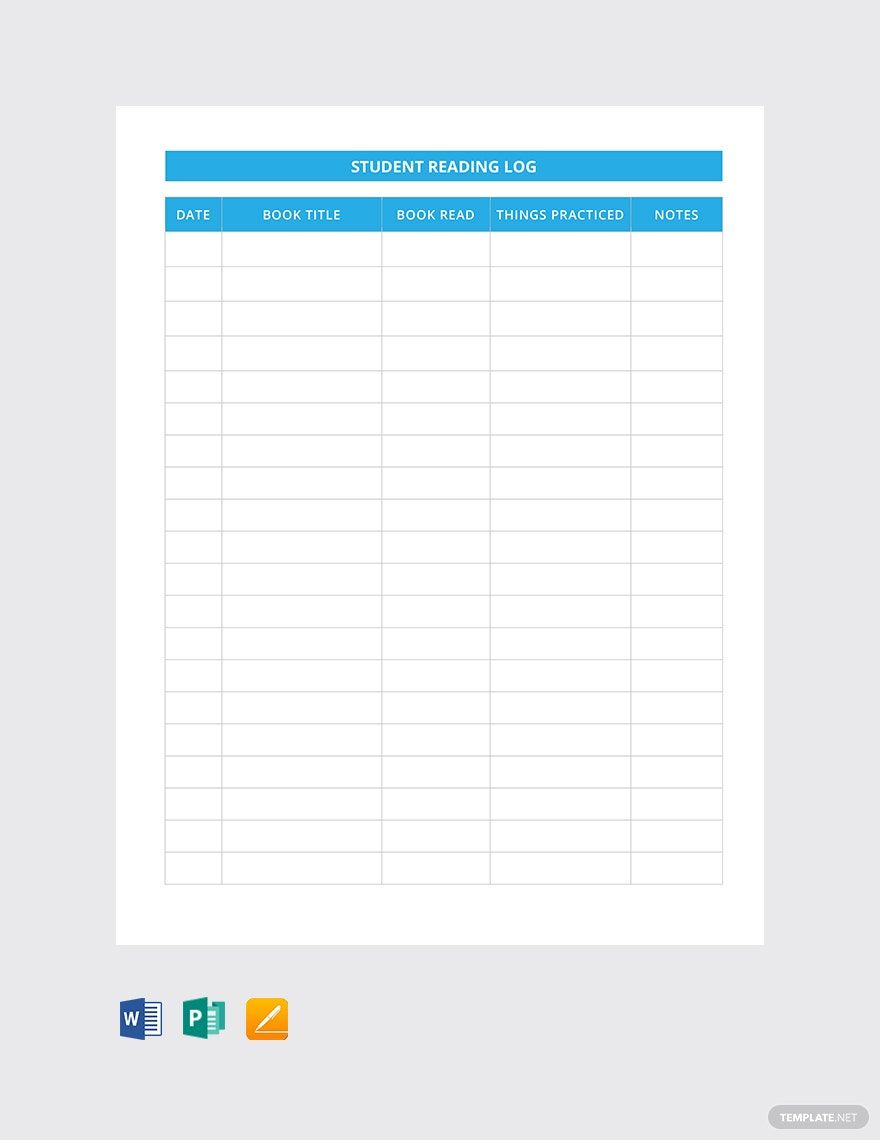
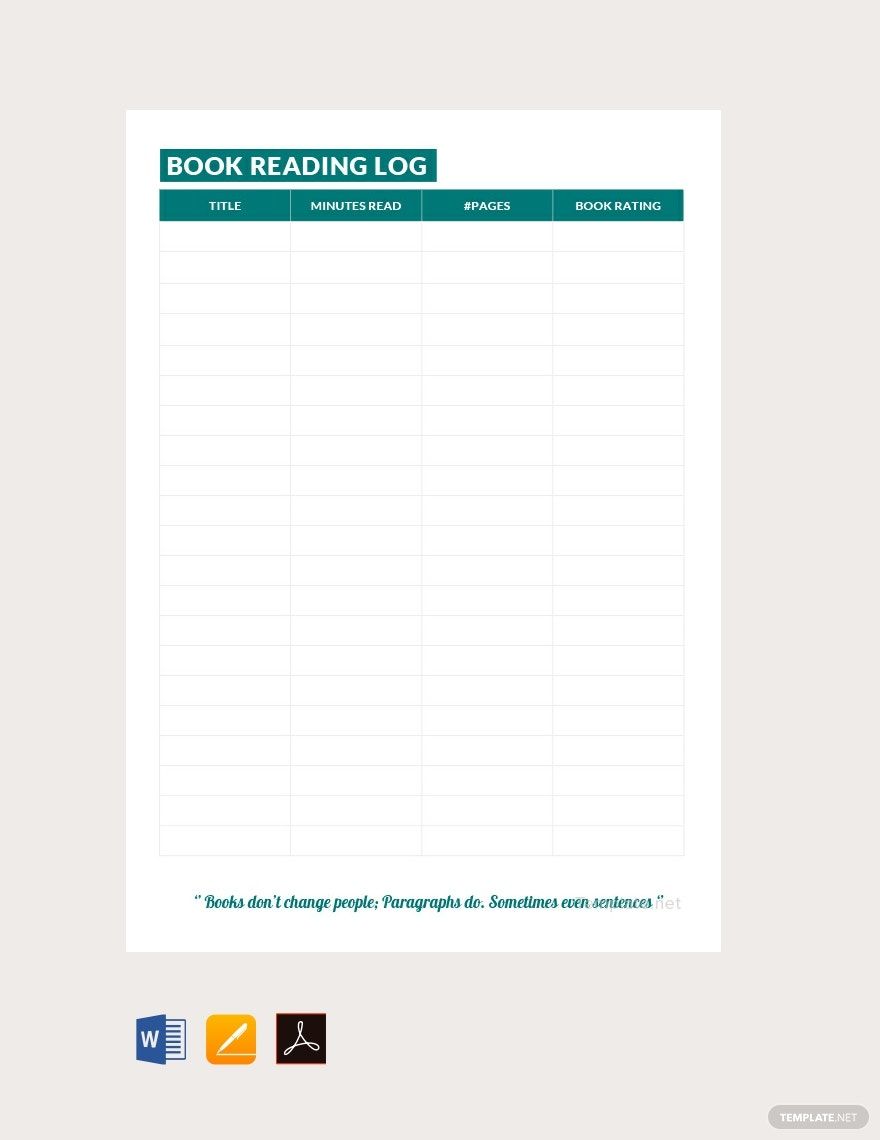
Free Reading Log Sheet Template in Word
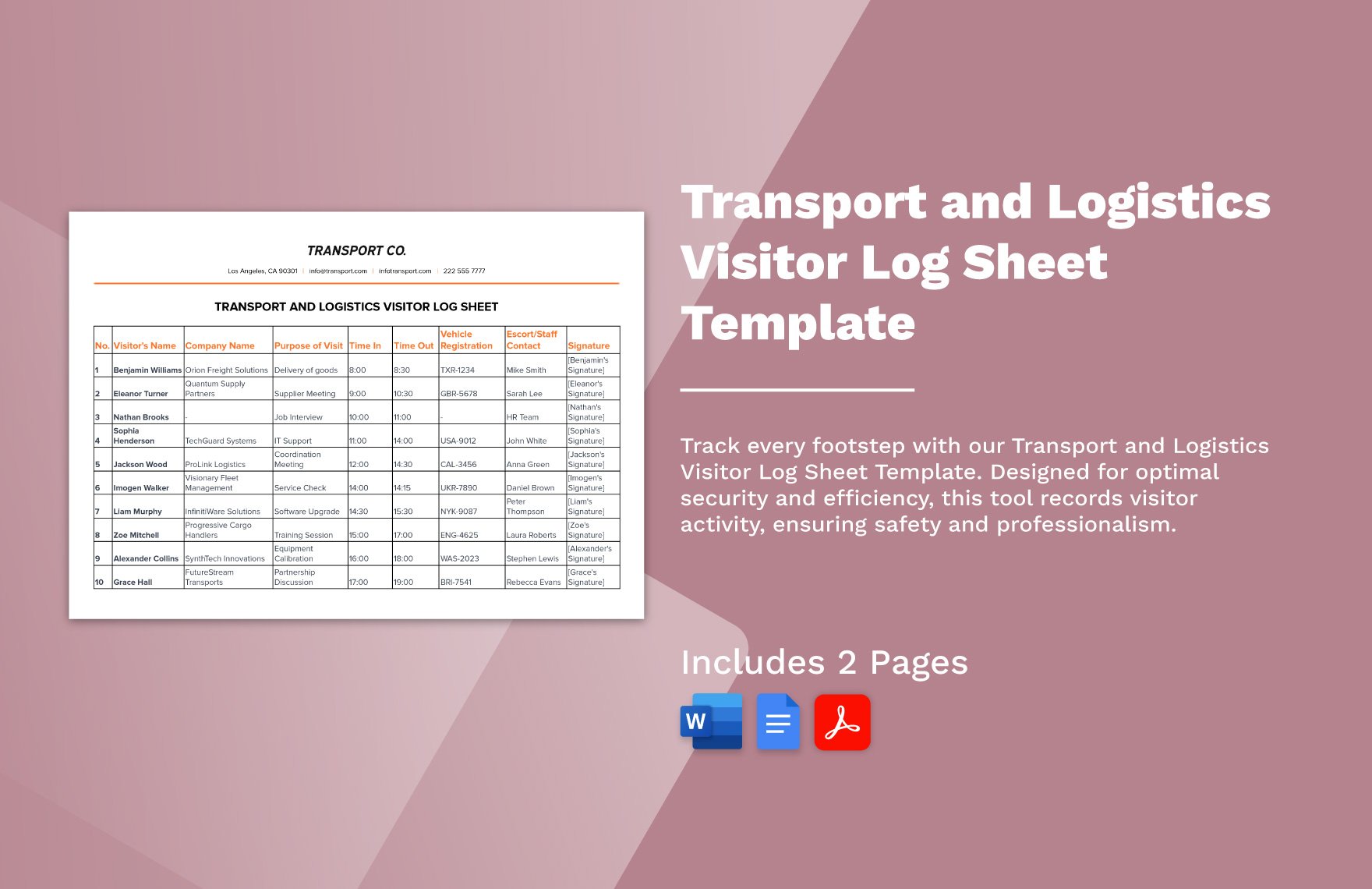
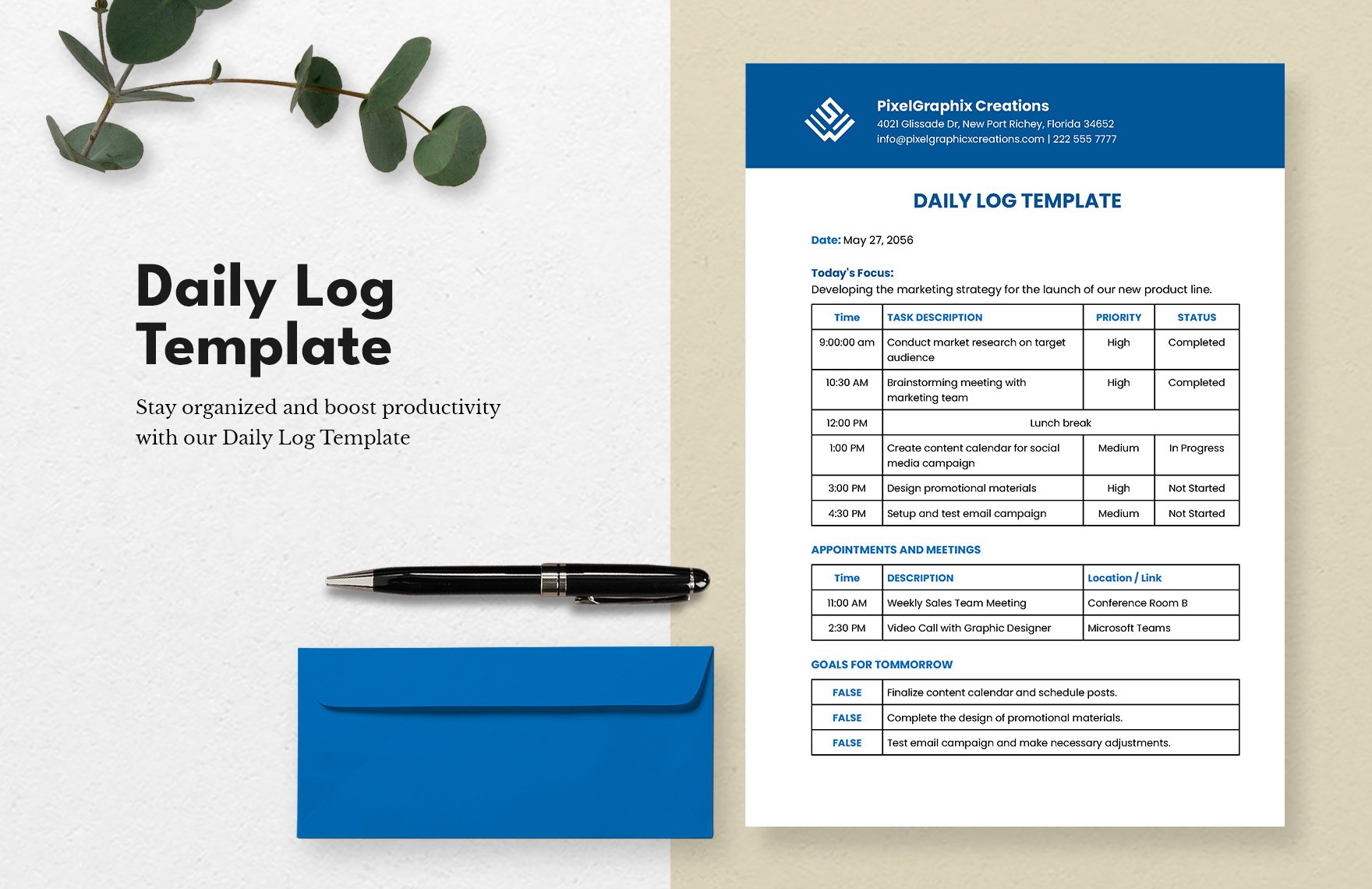
Download Free Blank Reading Log Sheet Templates for Personal or School Use on Template.net! Customize Your Reading Log's Daily Log, Format, and More. Your Document Can Be Formatted in Microsoft Word, Excel, and Others. Also, the Log Sheet Itself Is Useful for Other Reading Functions, Including an Electric Meter Reading, Work Daily Logbook, or Personal Bullet Journal.

- Business Plan
- Menu
- Notes
- Birthday Invitation
- Wedding Invitation
- Magazine
- Internship Certificate
- Catalogs
- Calendar
- Restaurant Receipts
- Forms
- Checklist
- Project
- Posters
- Cover Page
- Programs
- Planner
- Journal
- List
- Layout
- Colorful Word
- Professional MS Word
- Two Page Resume
- Training Certificates
- Letters
- Place Cards
- Tickets
- Itinerary
- Note Taking
- Timelines
- Timetable
- Ebooks
- Editable Book Covers
- Resignation Letters
- Vouchers
- Receipts
- Travel Invoice
- Tri Fold Brochure
- Greeting Cards
- Prescription
- Retirement Invitation
- Cookbook
- Delivery Note
- Flyers
- Job Flyer
- Graduation Invitation
- Coupons
- Labels
- CV
- Borders
- Background
- Document
- Exam
- Memo
- Infographics
- White Paper
- Customer Persona
- Envelopes
- Surveys
- Thank you Cards
- Save the Date Invitations
- Photo Collage
- Charts
- Training Manual
- Presentations
- Invitation Cards
- Postcards
- Diploma Certificates
- Schedule
- Participation Certificate
- Medical Resume
- Recommendation Letter
- Report Cards
- Quiz
- Recruiting Hiring
- Funeral Card
- Photo Resume
- Roadmaps
- Training Proposal
- Civil Engineer Resume
- Construction Quotation
- Baptism Invitations
- Sign in Sheet
- School Id Card
- Attendance Sheet
- Farewell Invitation
- Polaroid
- Sports Certificate
- Achievement Certificate
- School Schedule
- Basic Certificate
- Signs
- Food Vouchers
- Graphic Templates
- Leave Letters
- Funeral Invitation
- Professor Resume
- Daily Reports
- Annual Maintenance Contract
- Wishes
- Books
- Cover MS Word
- Downloadable
- Design
- Beautiful
- Creative
- Student
- Application
- Small Business
What is a Reading Log
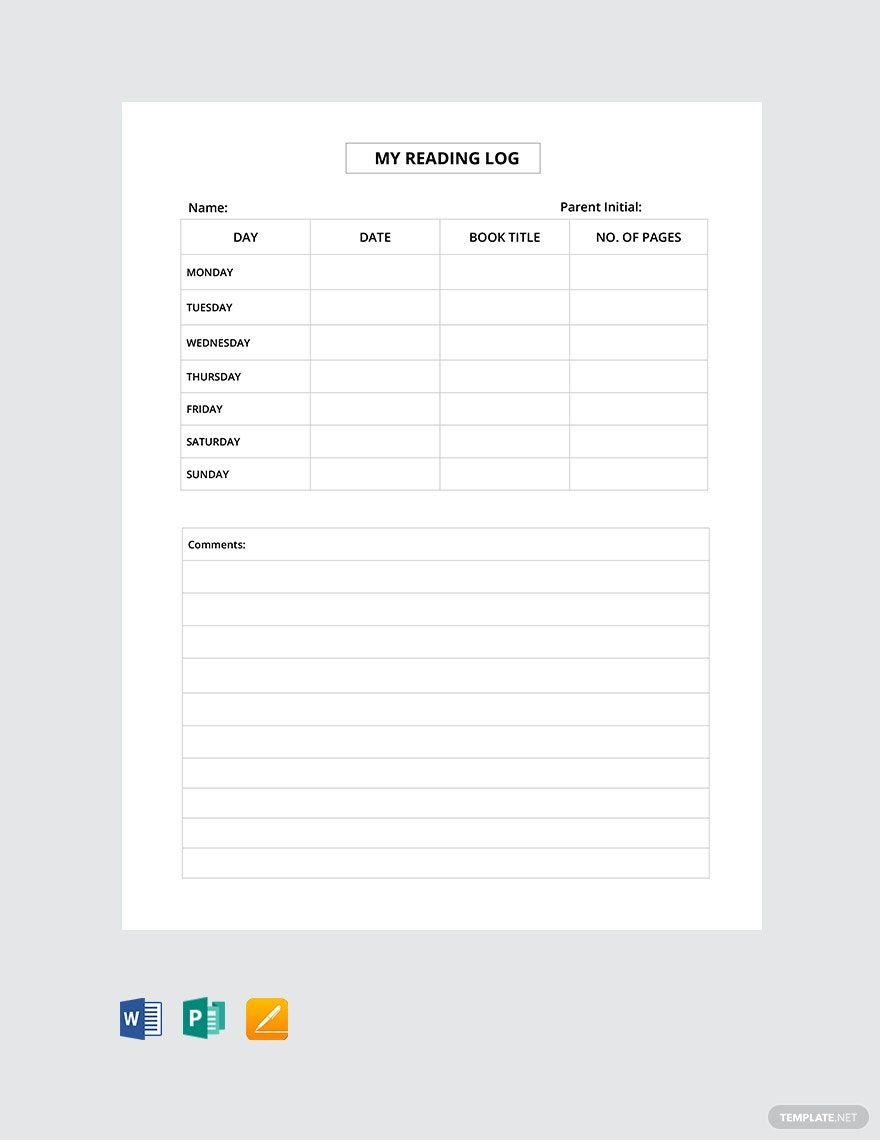
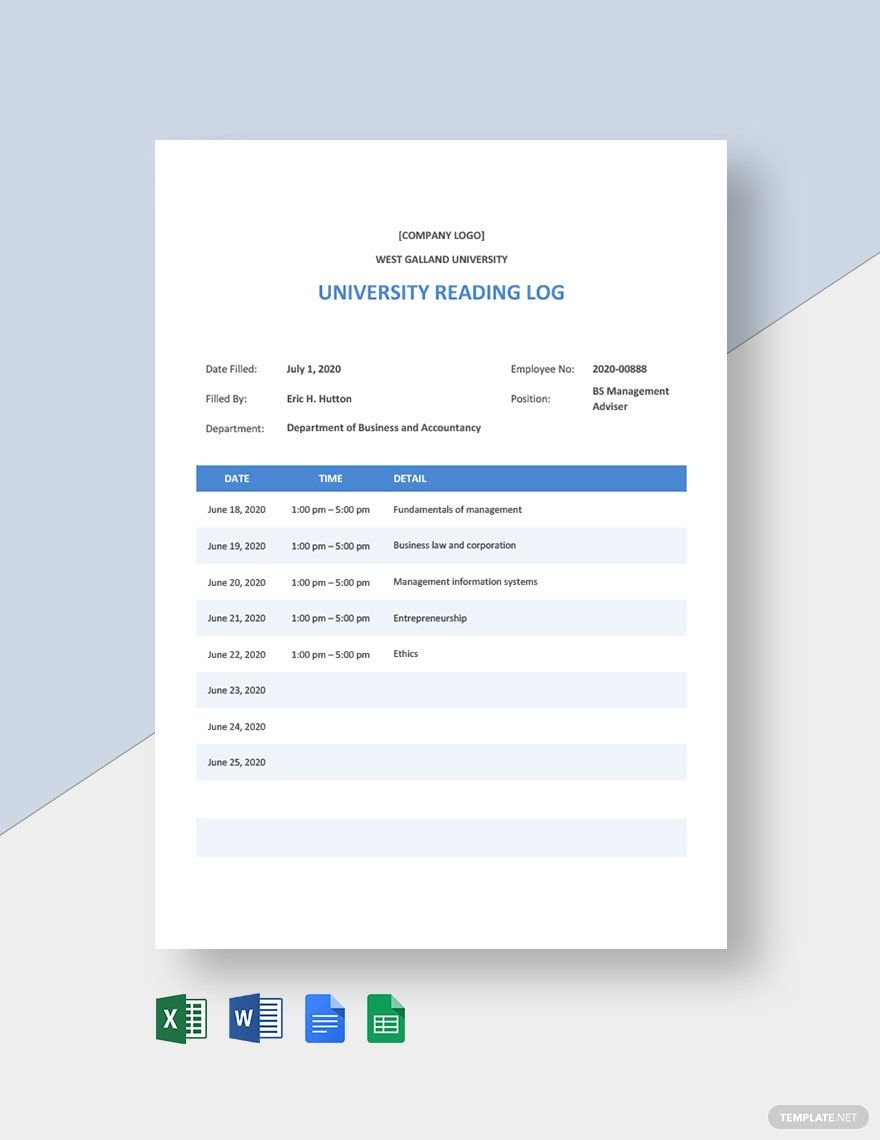
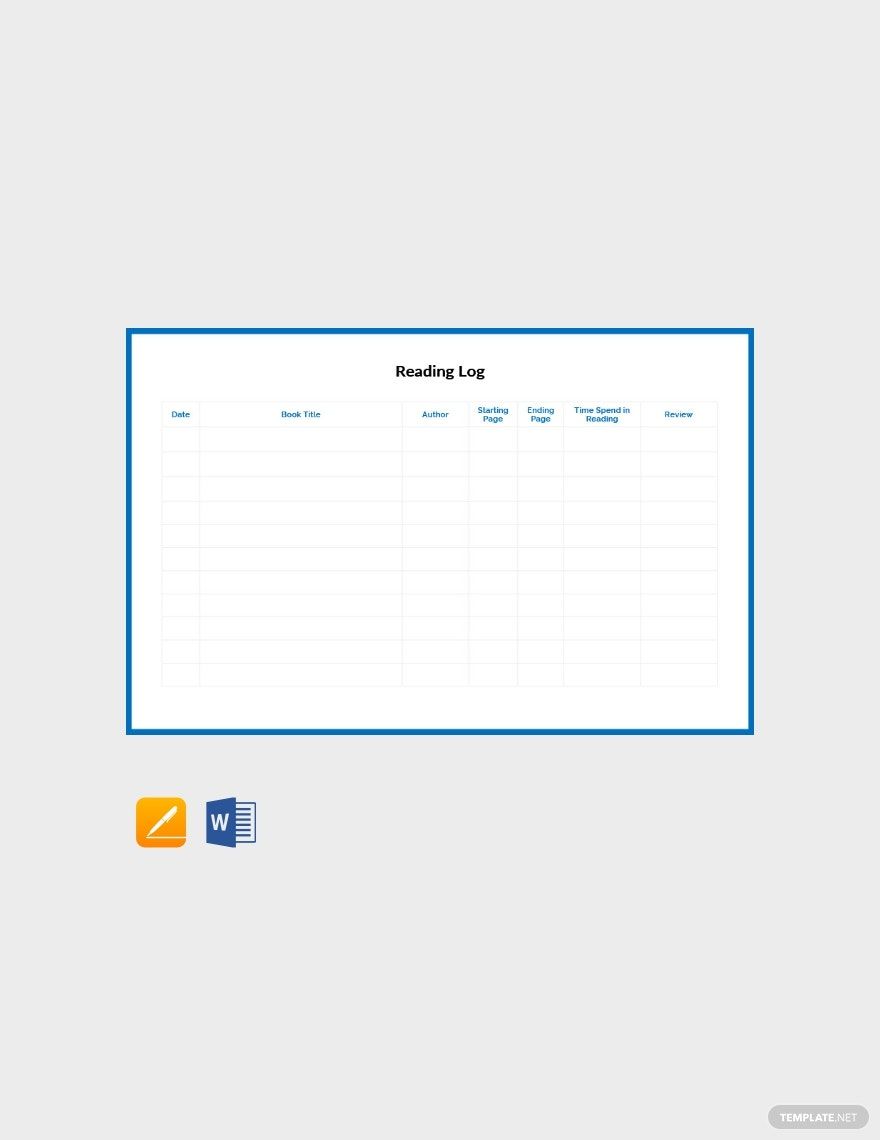
A reading log is a journal document where people can keep track of or record their reading activities. It is a detailed list. Information such as the number of pages you have read, book titles, and the dates that you encountered are the substantial parts in the log. Moreover, it also allows the person to summarize the books he or she read.
How to Make a Reading Log in Word
Writing makes us remember more. Keeping a log will be useful in two ways. You have an archive of your progress, and inadvertently, you can recall easily the books that you have read. Especially when you are actively keeping track of those titles, pages, authors, and other details. Help yourself remember more of your reading progress by keeping a reading log. Follow these steps to create a useful log.
1. Think What to Take Note
Since you are making a reading log, it is essential to plan out what you are going to record. Is it noteworthy to track down the number of pages a person reads, or just the page number where the person stopped? Do you need to give space for writing the reader’s comments so far? Again, thinking about what to take note is necessary. Just like any log sheets, selecting details to look into is a must.
2. Use Wisely Table Formats
Whether the log is for you or someone else, a neatly made table is vital. Suitable table formats appear like a professionally made spreadsheet. The proper arrangement of headers and subheaders are essential so that they will also be convenient for possible users. How many rows and columns do you need? How big are the cells going to be? All are part of the questions in considering making a table and even a comprehensive chart.
3. Give Space for Writing
If you intend to print the log, make sure that the spaces present are enough for users to write on. It is already a problem when the spaces are not adequate. Although it is not a problem if the person uses a digital copy because it can be easily changed. Most of the time, these templates are printed and used by schools to serve as detailed checklists for student homework and track records.
4. Know Your Word Application
If ready-made templates need more of your personal touches, then you can edit using Word. Get familiar with the tools and how to navigate the application. When you have decent know-how of the app, you can play and tinker with it. There are even online flow charts available about how to effectively use the app.
5. Apply Creativity
Bland and boring are two things you do not want to happen to your reading logs. Make it presentable by applying creativity. Use colors for borders, apply bubbly fonts, or add images. A plain list is already boring to look at, and at least, adding artistry to your logs makes it exciting and pleasing. The same with business reports or presentations, make it lively!
6. Make it User-Friendly
Although the record is highly similar to a daily journal, it must be easy to use. Being a little sensitive about the flow of reading and writing of the users needs to be exercised. If they are convenient doing so from left to write and from top to bottom, then organize the details that will match their preferred styles. Considering the user’s end is necessary.
