
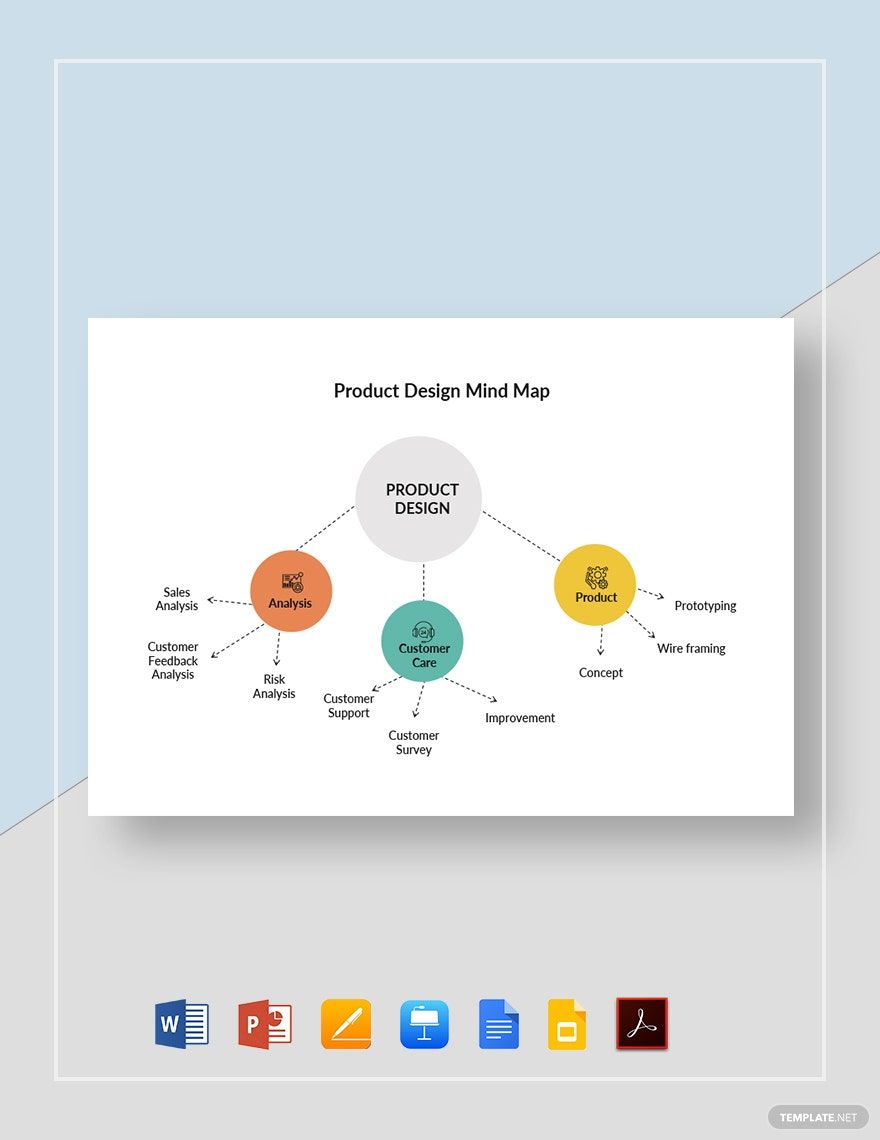
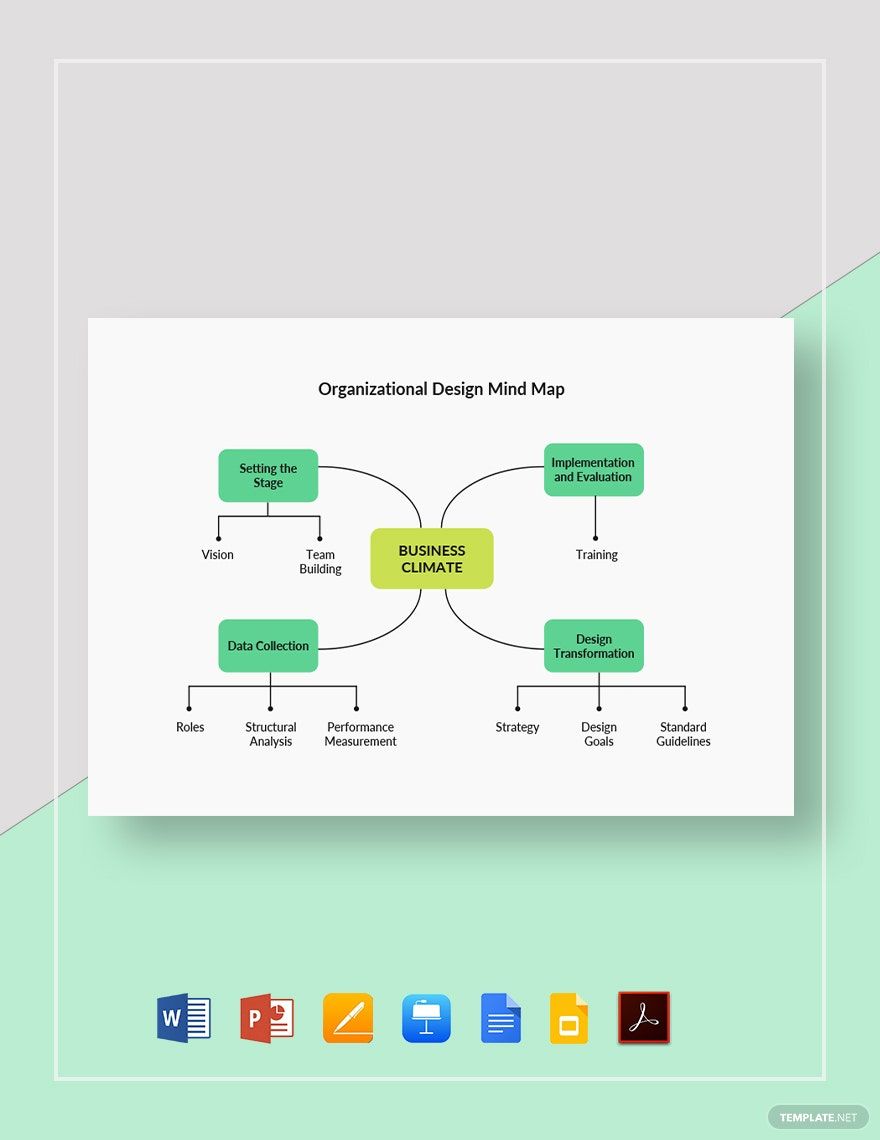
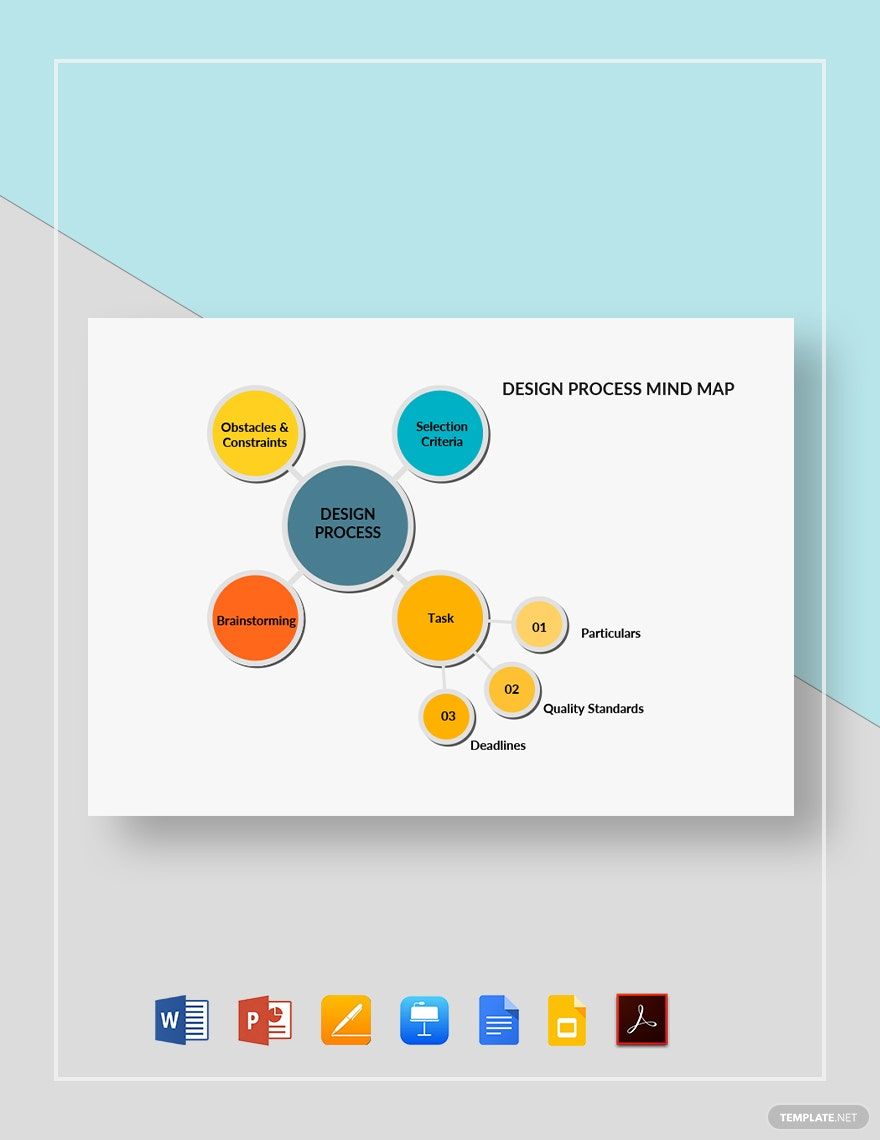
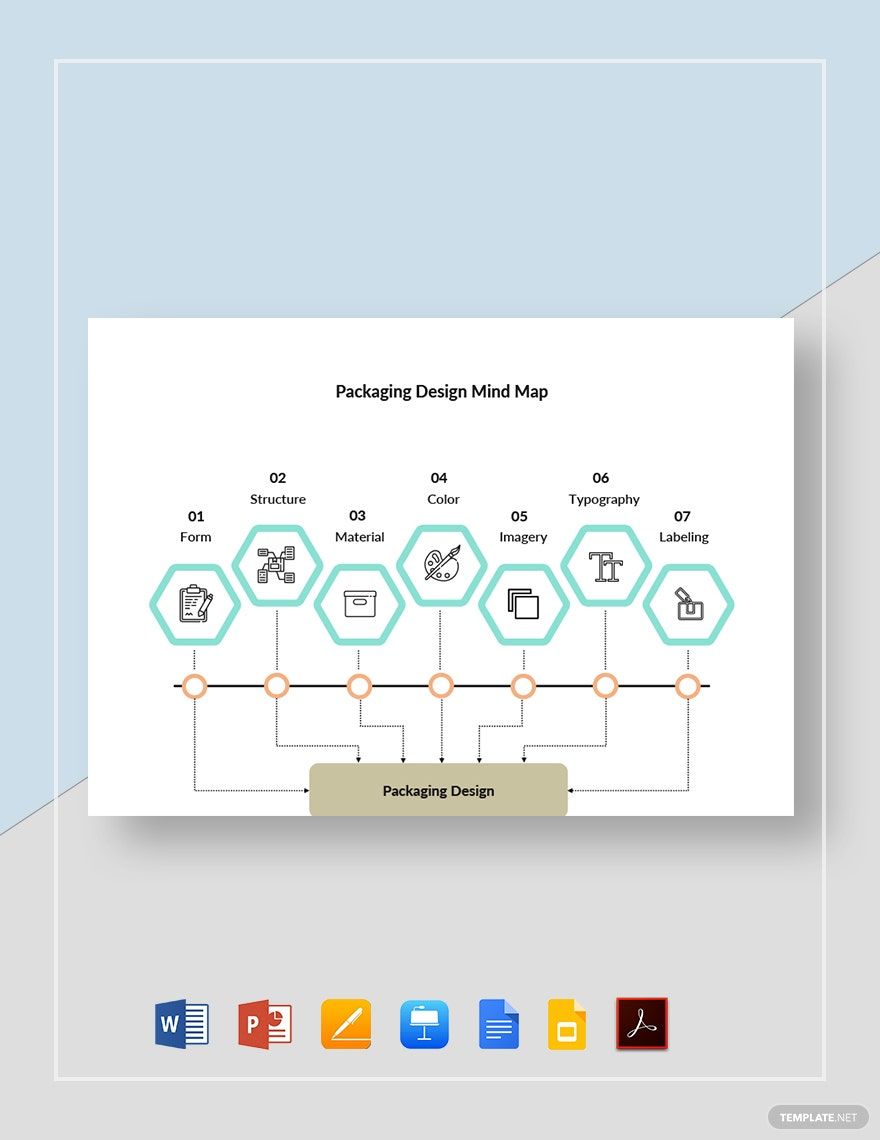
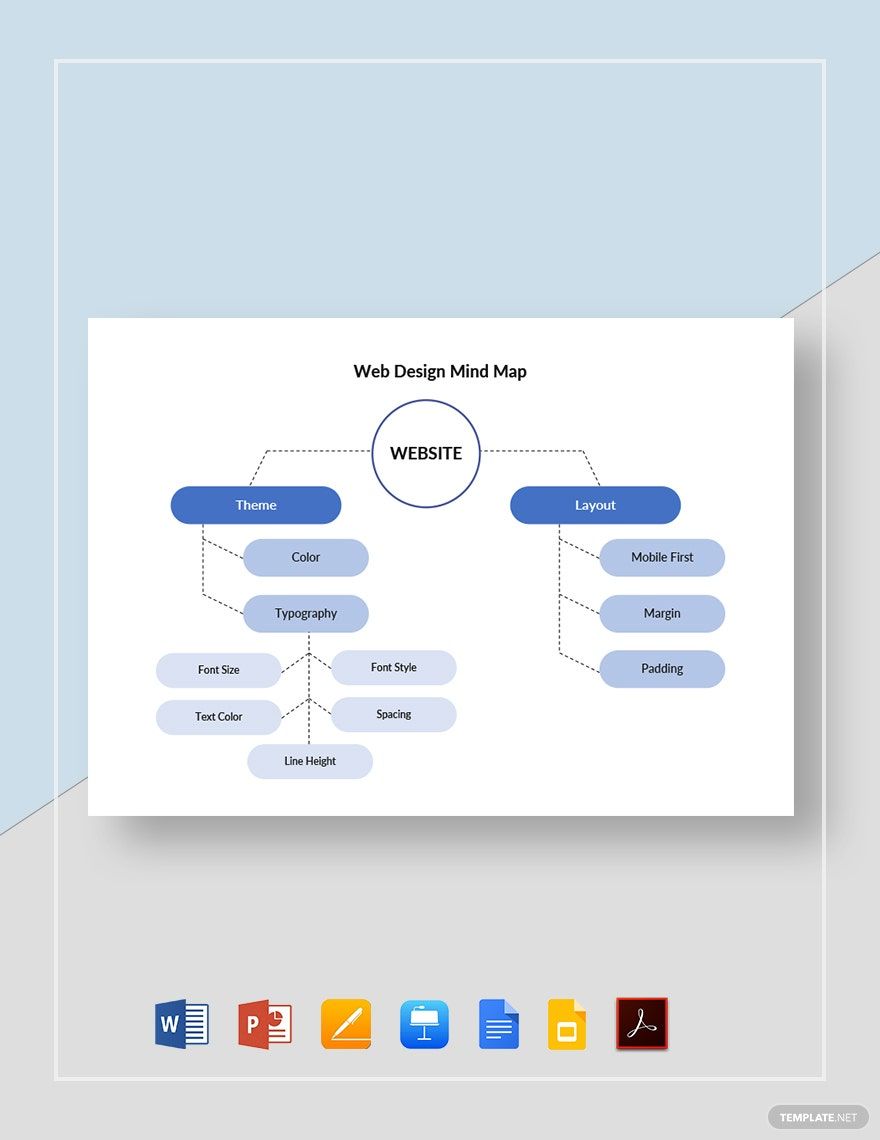
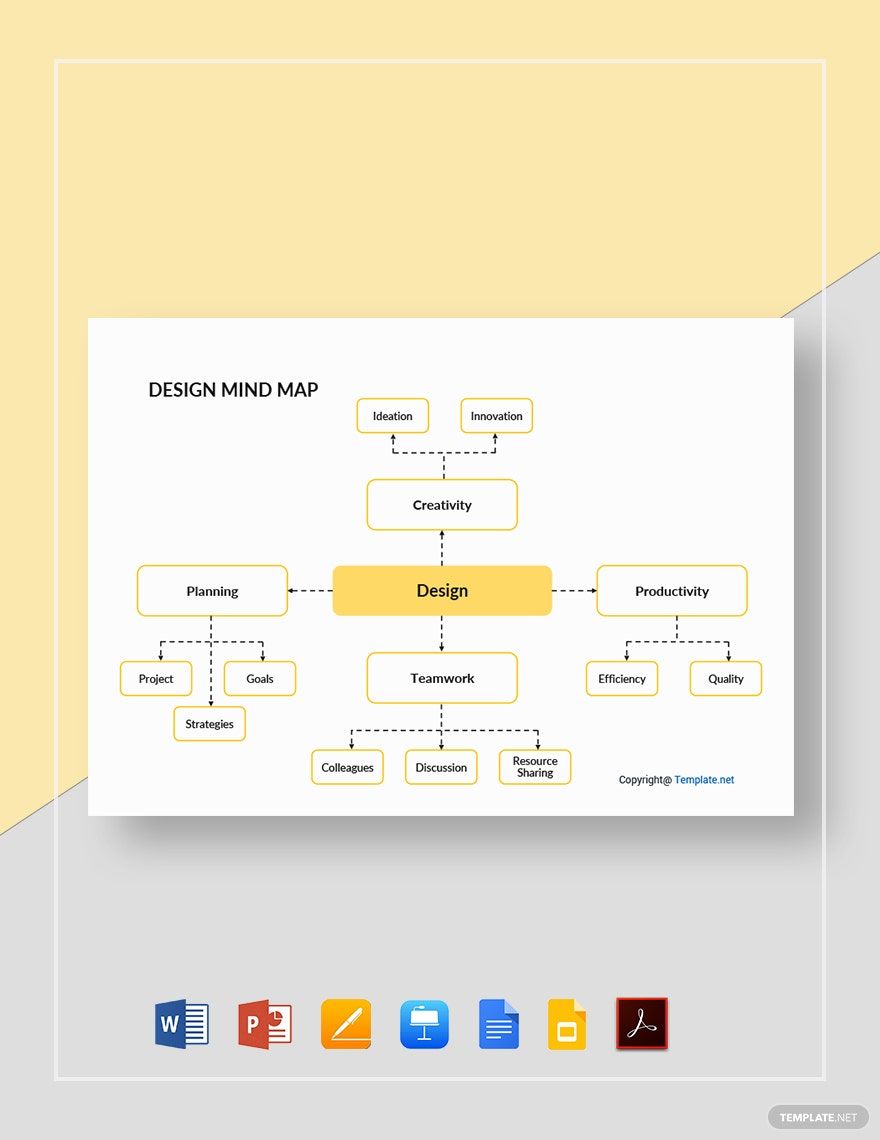
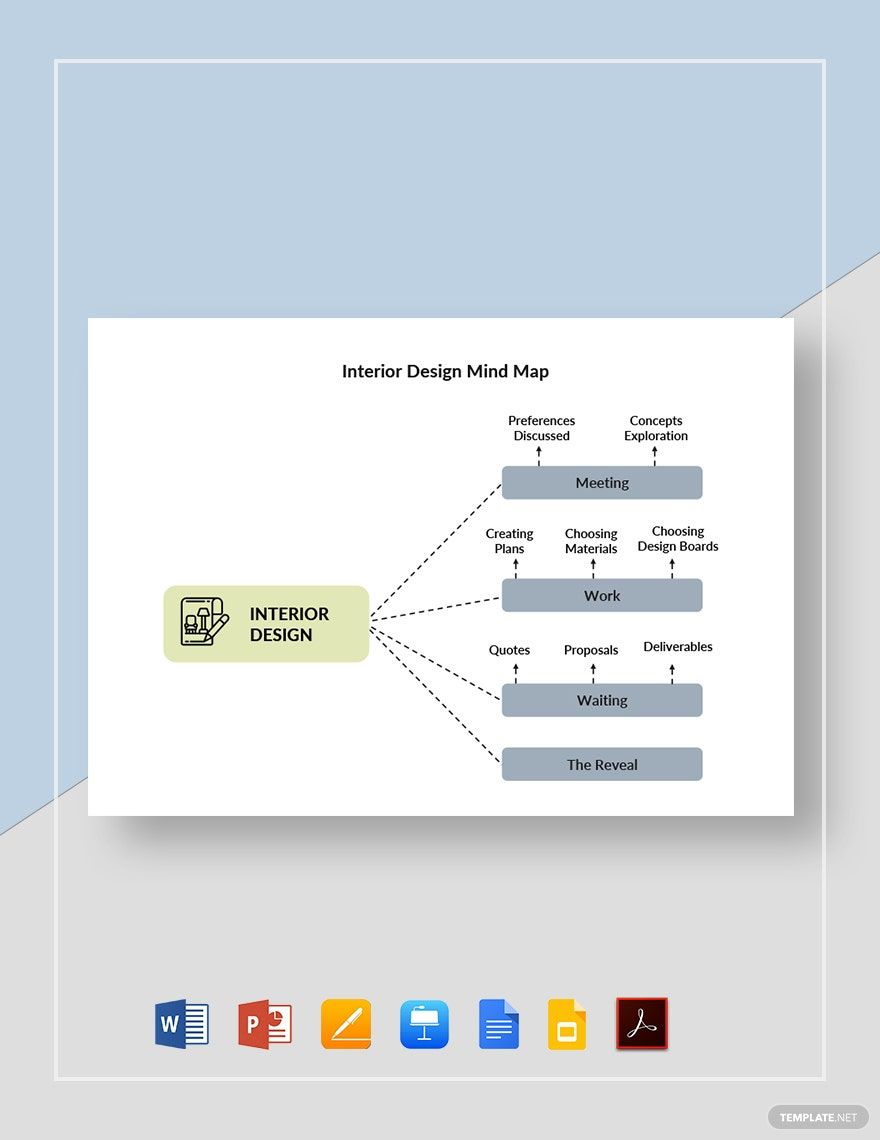
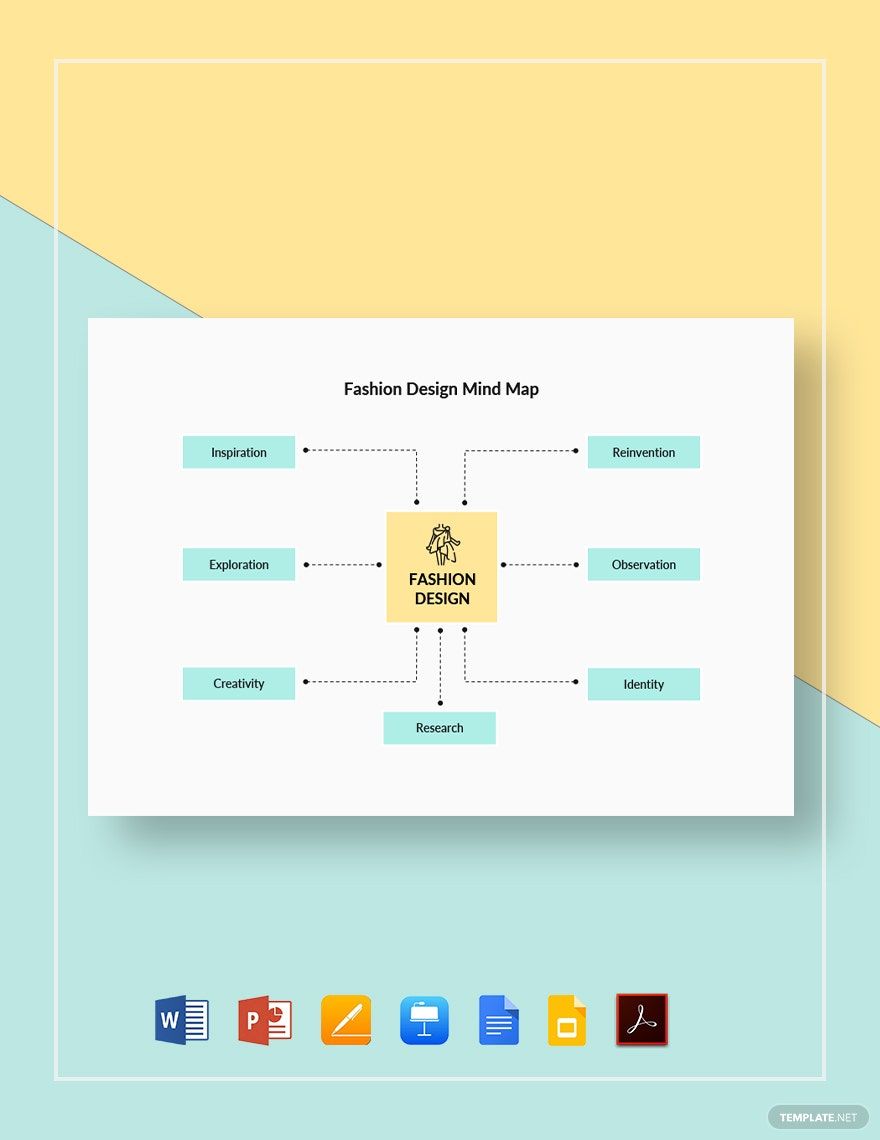
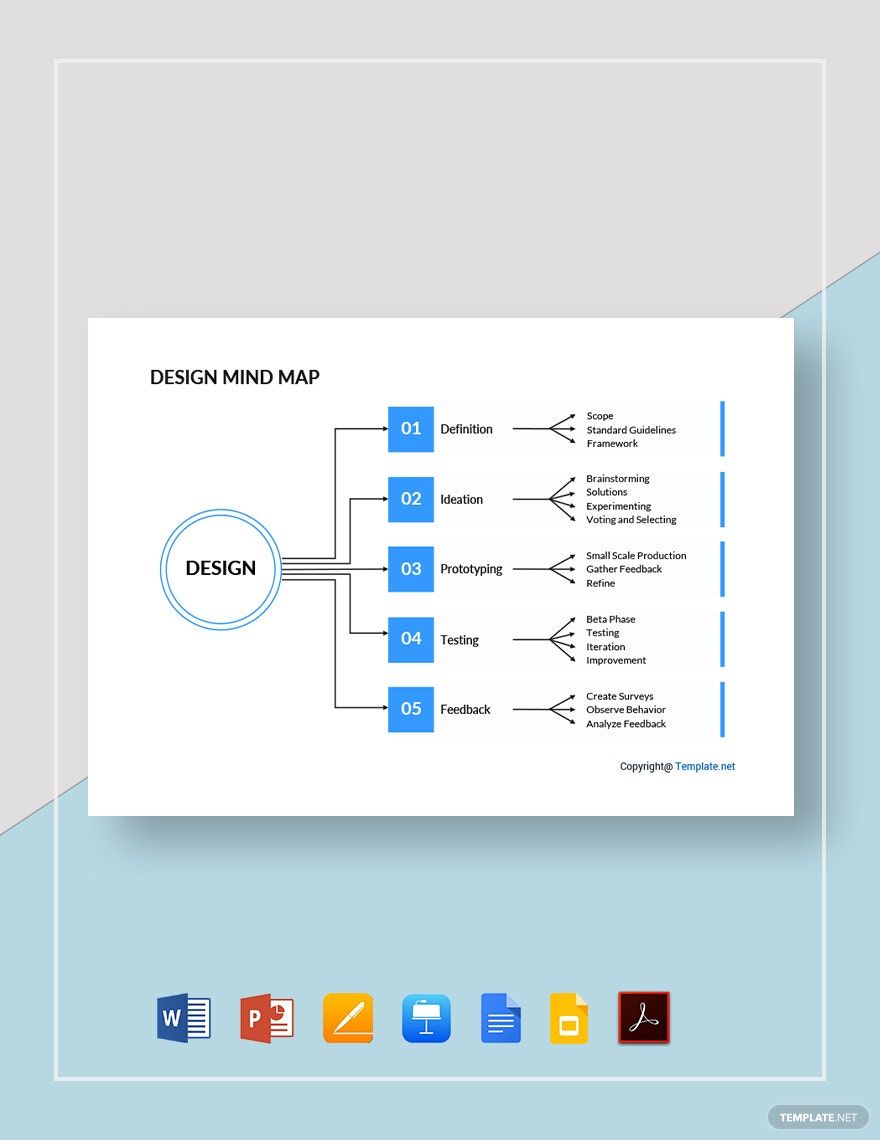
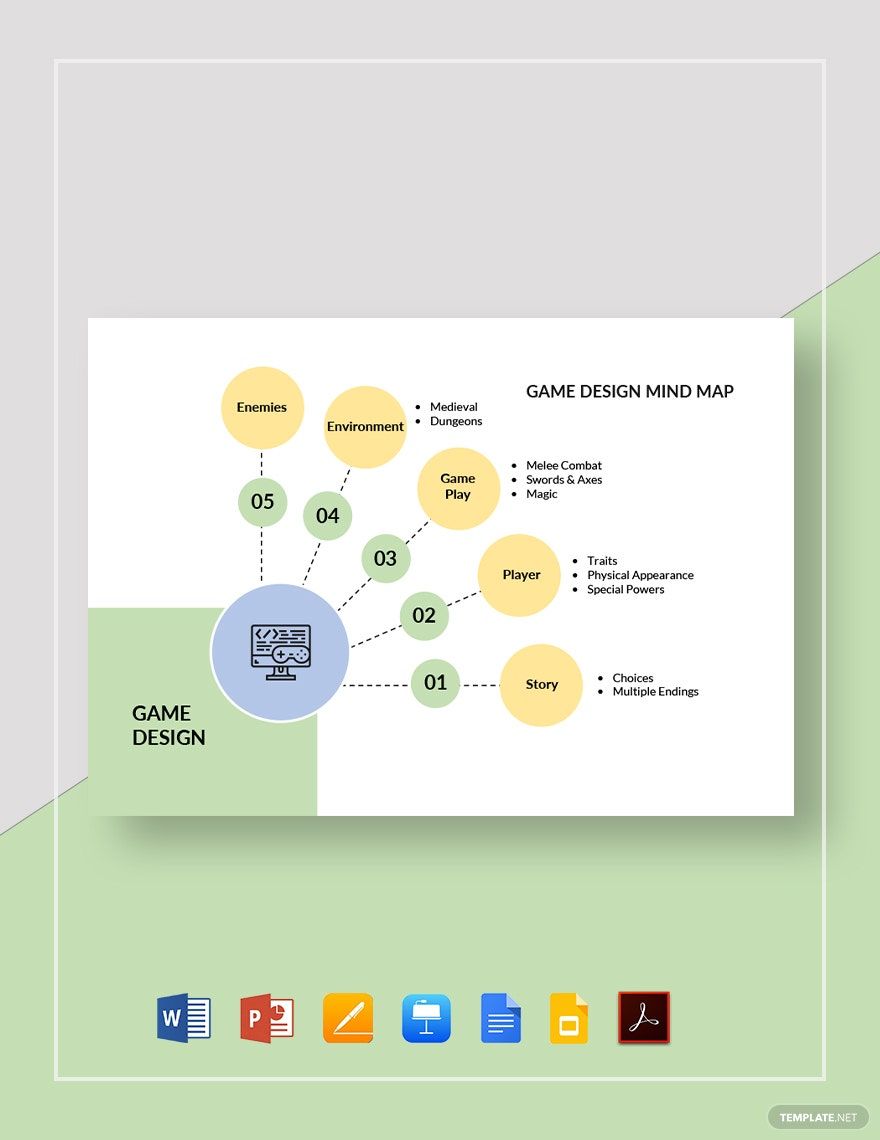
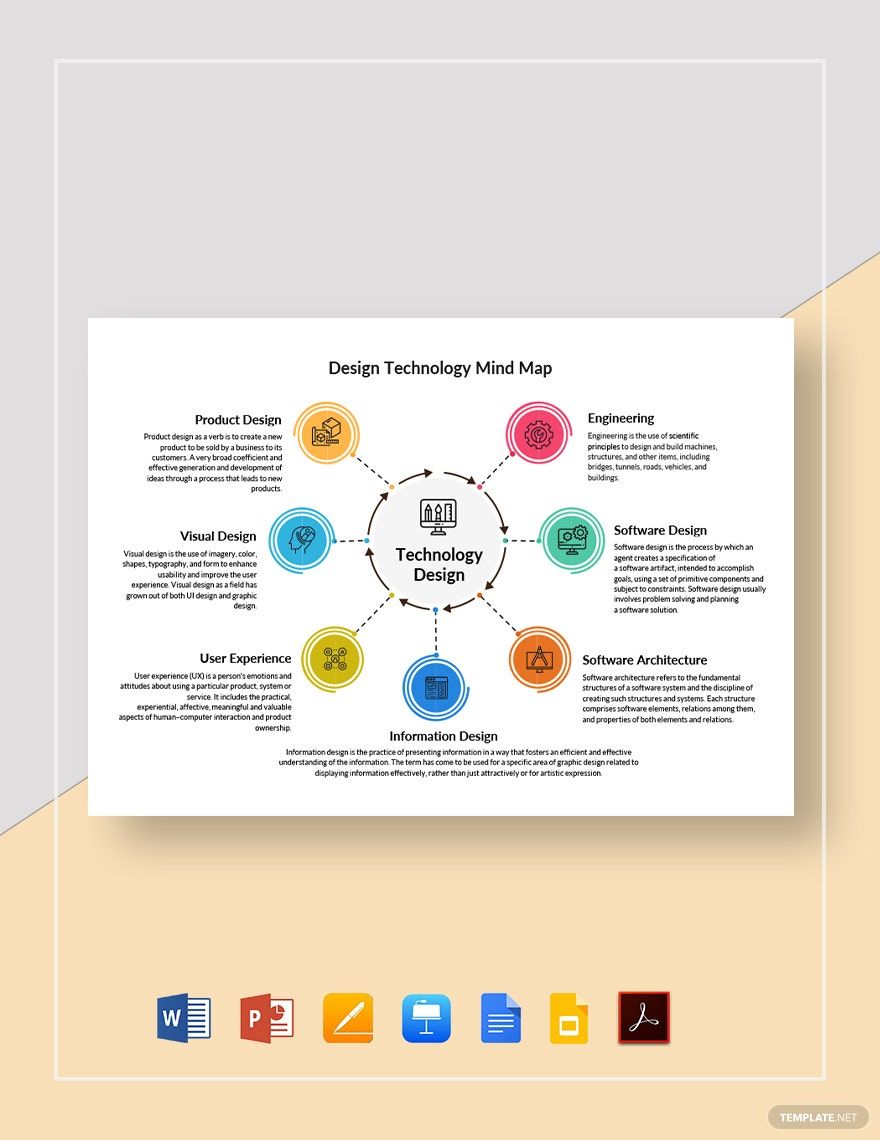
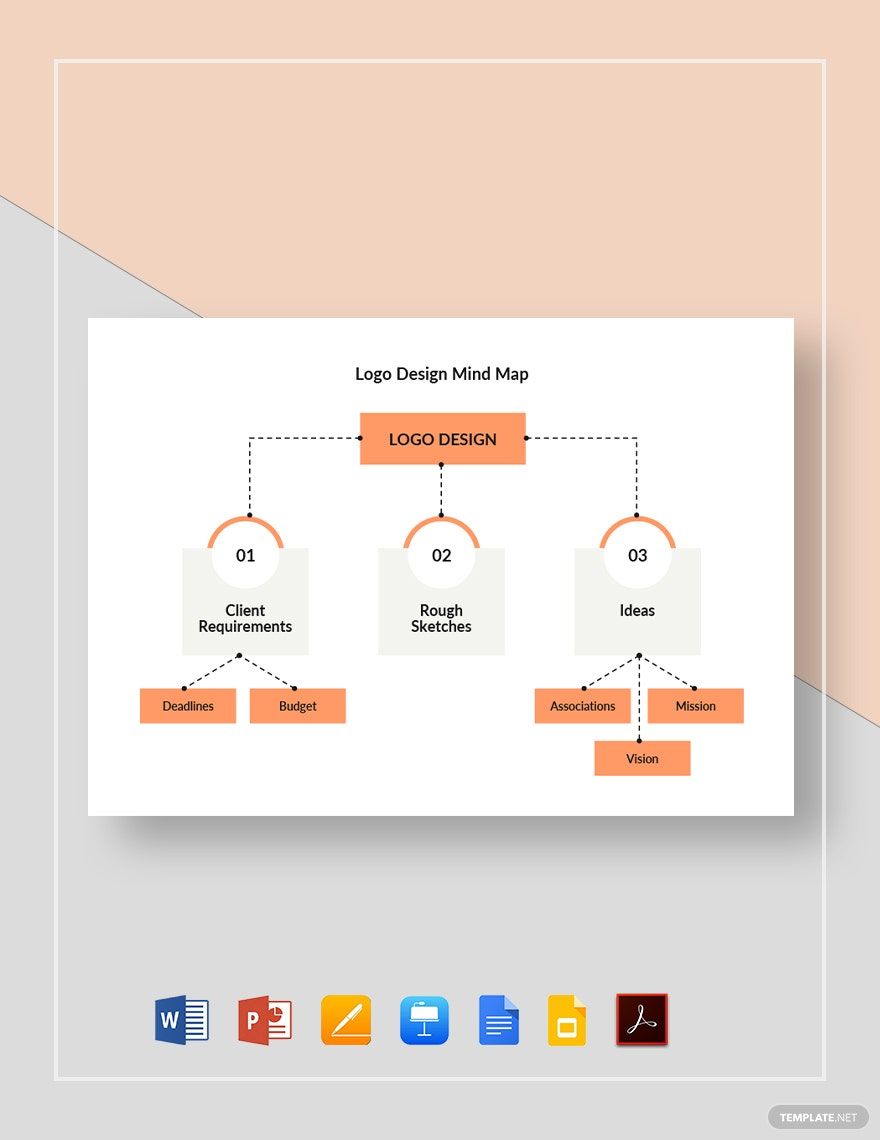
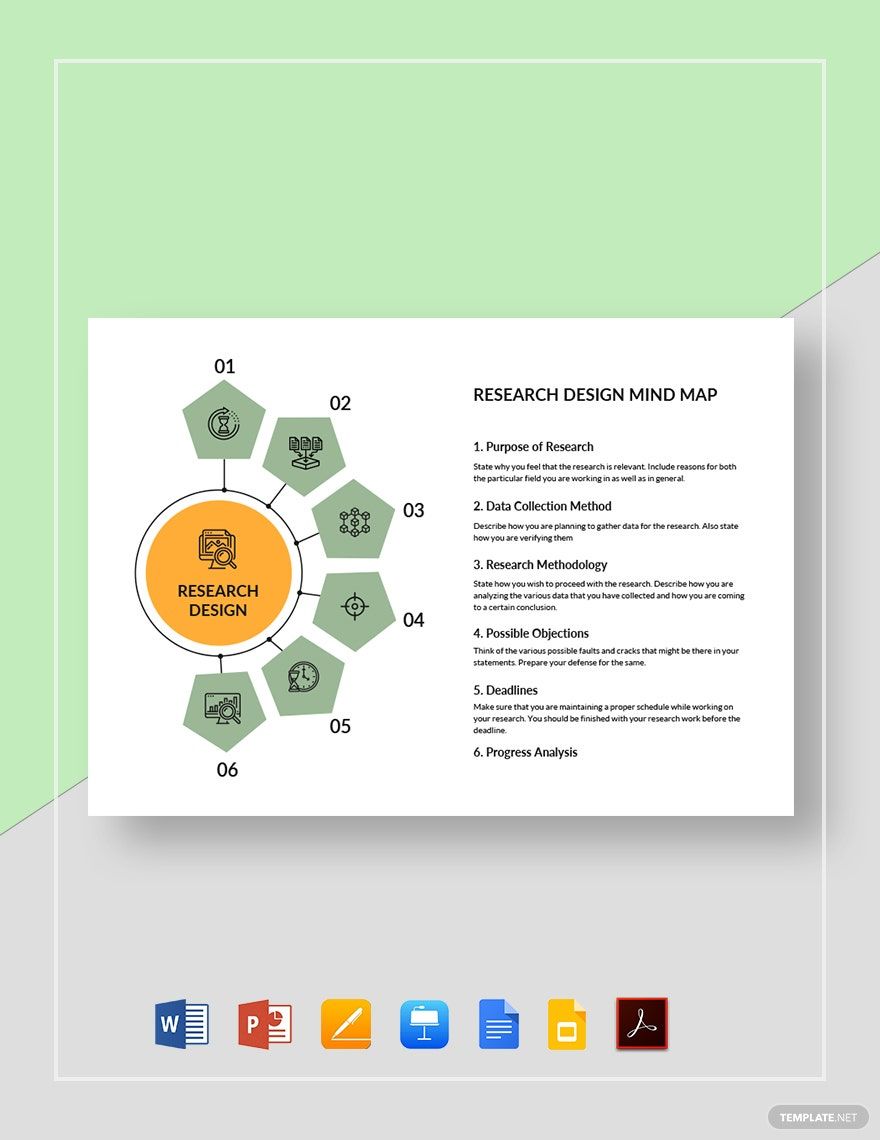
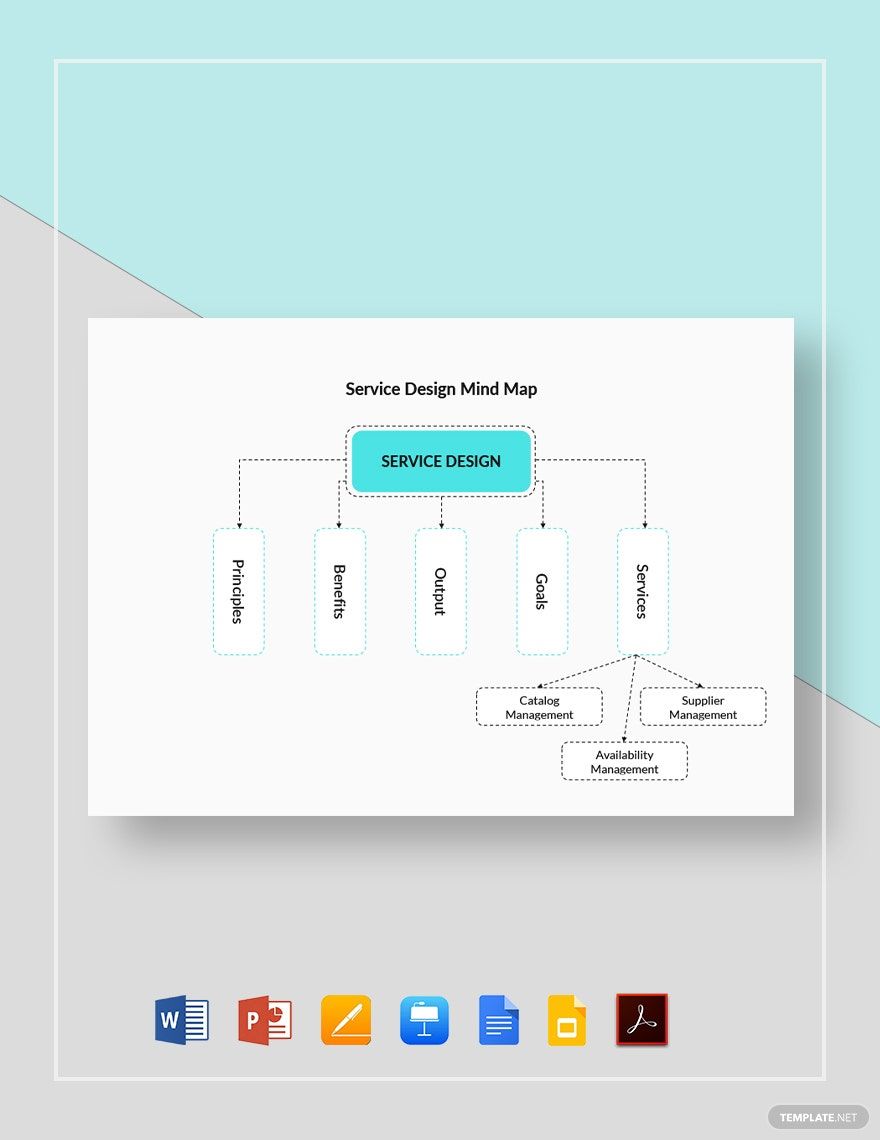
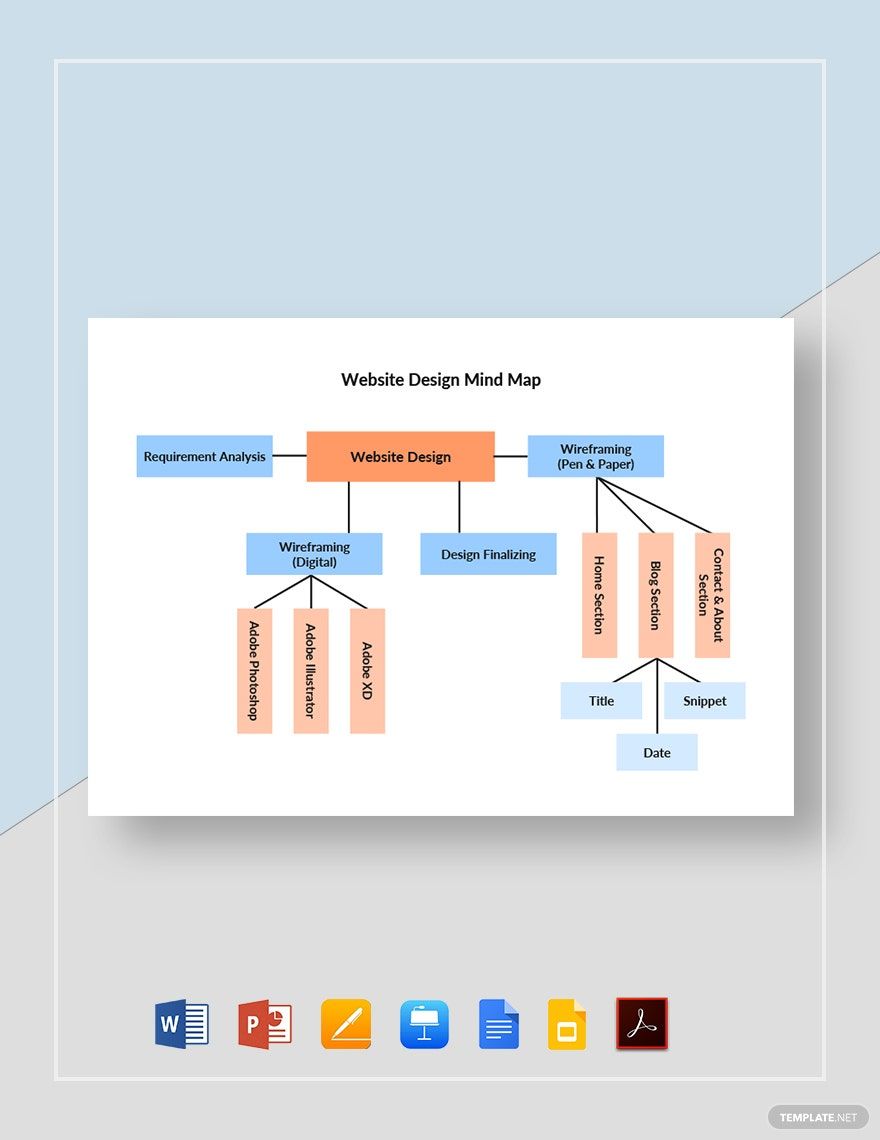
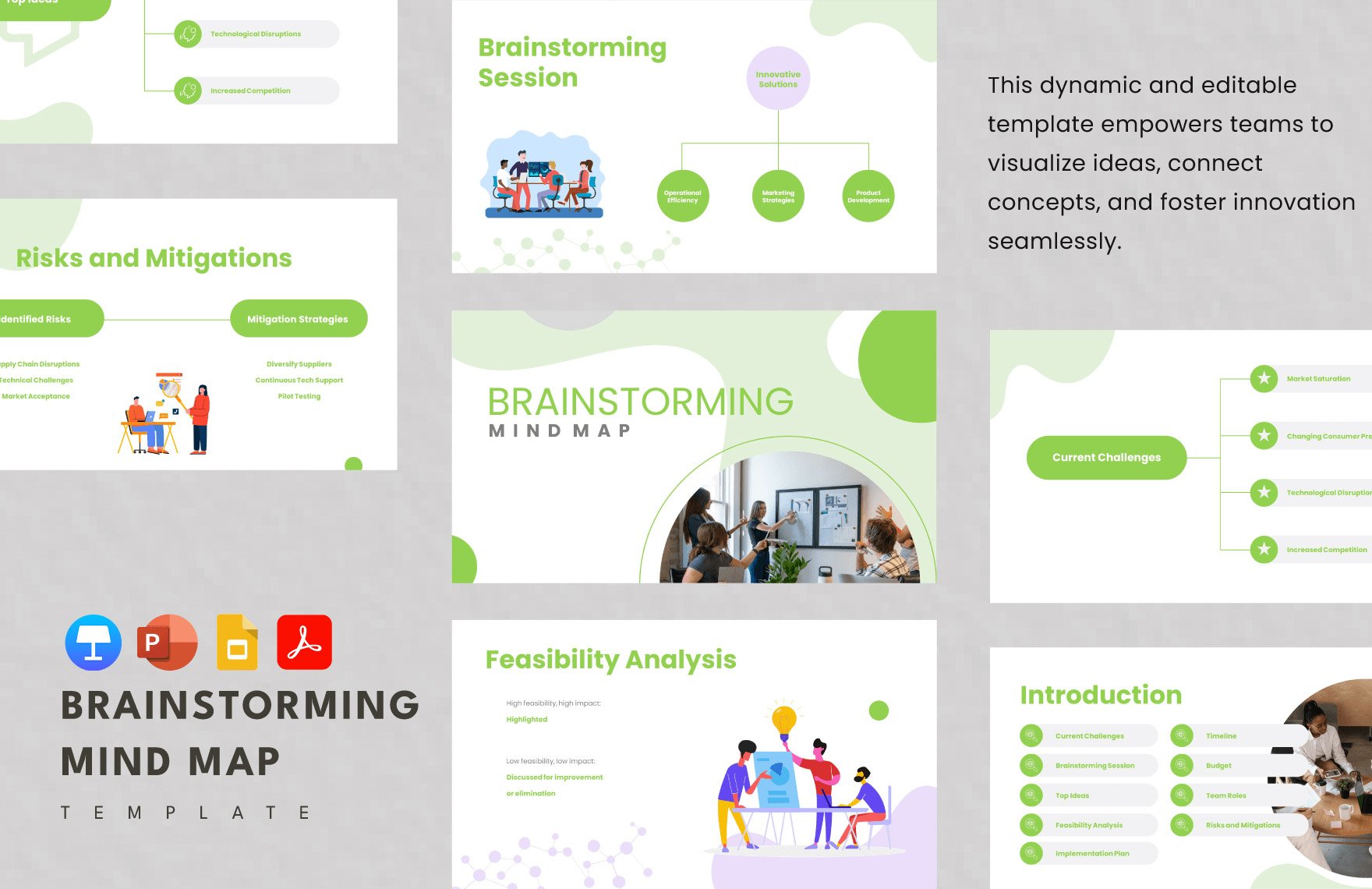
As the digital revolution continue to advance, innovations on any design’s functionalities also continue to grow. These modernizations positively affect the different aspects of society, like a business, education, science, and many others. Mind maps are great examples of these state-of-the-art design. They are used by professionals to provide creative visual or graphic representation on certain subjects, like products, processes, and even designs. With regards to the latter, make use of our Design Mind Map Templates in Google Slides! The pre-formatted designs are made in high-quality, accompanied by 100% customizable and printable features to give you a hassle-free experience in creating a mind map for a particular design’s process, function, and others. Subscribe to our plan today and get access to every variant!
Free Design Mindmap Template in Google Slide
Make Your Game Design and Others Using Concept Map or Diagram with Template.net's Free Design Mindmap Templates in Google Slides. They're Editable in Microsoft Publisher (Character Concept Map), PPT PowerPoint Presentation (PowerPoint Template), and Others. We Made Sure That They Look Presentable and Are Useful for Designers. So, Download a Template Now!

What Is a Design Mind Map?
A design mind map is a graphic presentation that illustrates a certain design’s processes or functions. According to Chuck Frey’s 2017 Mind Mapping Software Trends Survey, mind mapping has many business applications. The top three business tasks where mind mapping software products are usually used, as claimed by respondents, include project management (53.5%), knowledge management (52.1%), and to-do listing (50.2%).
How to Create a Design Mind Map
Mind maps consist mostly of visual elements. However, these components must be selected carefully to make sure that the message you are trying to convey is effectively delivered to an audience. Below, we have enumerated the guidelines that can walk you through in making your presentation complete and clear.
1. Identify the Concept
As mentioned above, a specific design has a purpose and a process. Determine which of these aspects you will be focusing on. Also, you should identify what part of your company’s undertaking your presentation is immersed in.
2. Brainstorm for Supporting Details
After identifying your concept, it is time to bring out all the details that can support it. Do this by setting up a meeting with your colleagues that is intended to brainstorm on the much-needed pieces of information.
3. Determine and Collect Relevant Ideas
Once all the ideas are laid on the table, carefully identify and gather those that you think are relevant to your planned document or presentation.
4. Organize Picked Items
Put your selection of ideas in order according to their relevance with each other. Doing so simplifies the mind map development that comes next.
5. Design and Link
Using your outline of ideas, create your mind map. Do this by enclosing every text details in shapes, then followed by linking them using line connectors. You can also add colors, images, and icons that appropriately represent the items.
6. Present, Evaluate, and Redesign
Present your preliminary work to your associates and ask them for recommendations on how to make it better. Basing on your gathered suggestions, redesign and finalize your design mind map.
Frequently Asked Questions
What are the 7 elements of a design?
1. Line
2. Color
3. Shape
4. Texture
5. Space
6. Form
7. Value
How do you know if a design is good?
A design can be considered good if it incorporates a simple appearance while effectively conveying a message or two.
Is design an art?
The debate on the subject matter is still going on. Some say that a design cannot be considered as an art because the former must be functional while the latter only works to evoke ideas and emotions but does not resolve tangible complications.
What is the difference between a mind map and a concept map?
The two differ in terms of structure and focus. Mind maps have a radial structure and only focuses on one concept. On the other hand, concept maps have a tree-like structure and focus on two or more concepts.
What are the types of mind maps?
1. Library Mind Maps
2. Presentation Mind Maps
3. Tunnel Timeline Mind Maps
